


Moment suspected thief's desperate escape bid is foiled after he gets trapped on roof of shed
The 31-year-old man was pursued by officers in Doncaster after he failed to stop for police.
The 31-year-old man was pursued by officers in Doncaster after he failed to stop for police.

James Binks has apologised for his conduct on the night in question but strongly denied any sexual element to his actions.
James Binks has apologised for his conduct on the night in question but strongly denied any sexual element to his actions.
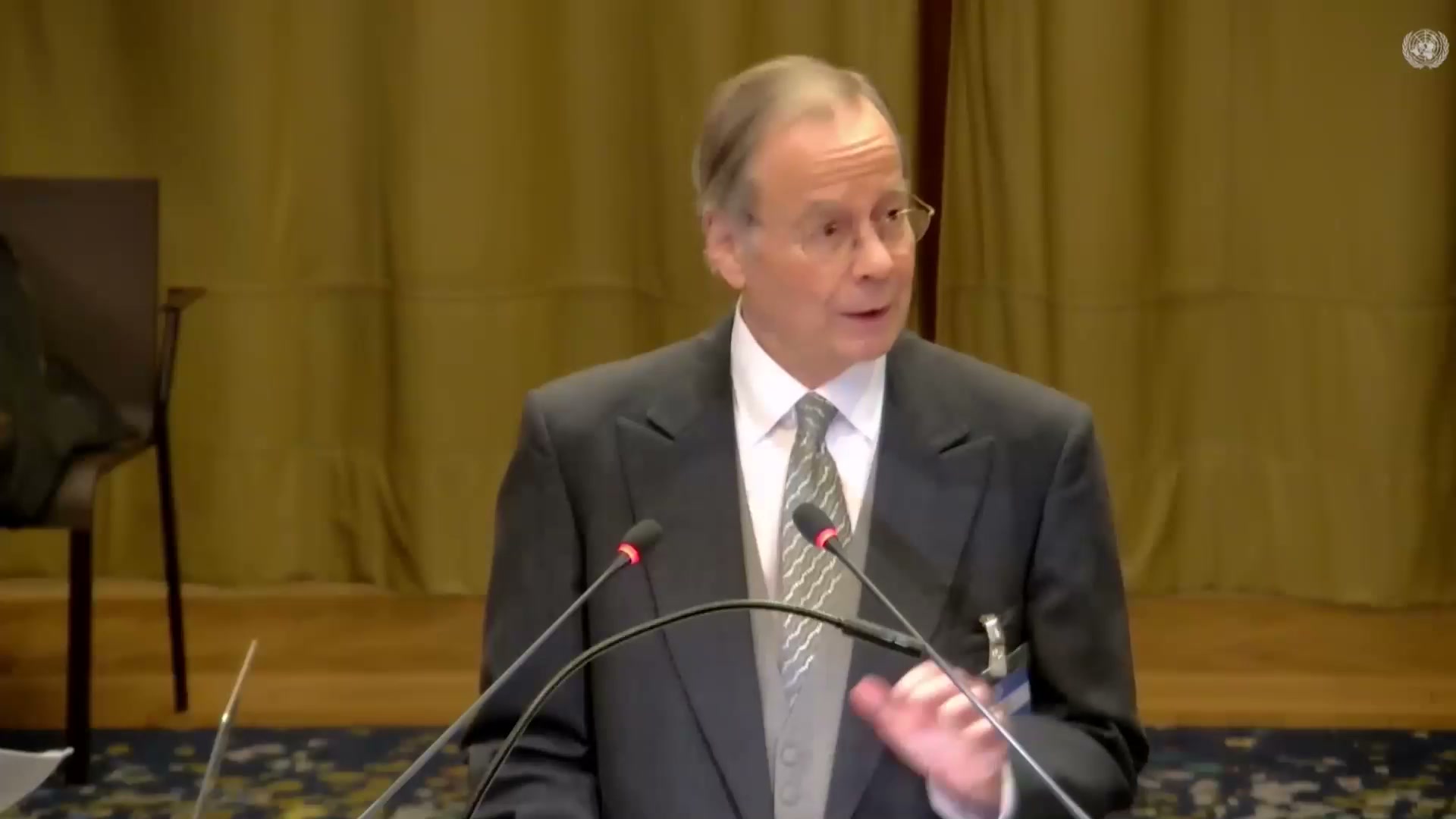
"Counsel for Gambia hit back at Myanmar for denying 'overwhelming evidence' over the alleged 'genocide' related to the Rohingya group at The Hague on Monday, as the International Court of Justice (ICJ) began a landmark hearing on the case. "Mr President, it doesn't take a Newton, Professor Michael of Vanderbilt or Sir Isaac of the English Enlightenment to appreciate the lack of gravity in Myanmar's argument. With the evidence so overwhelmingly against it, Myanmar has no choice but to invent a reason, no matter how unreasonable, to disqualify that evidence. Myanmar has got it completely wrong," Paul Reichler, Counsel to Gambia said. "These reports comprise more than 600 pages and provide, inter alia, detailed descriptions of the so-called clearance operations carried out by Myanmar's army, the Tatmadaw, in northern Rakhine State, where the majority of the Rohingya group lived. In conducting their investigation and producing these reports, the FFM interviewed 1,294 victims, witnesses, perpetrators, and former Myanmar officials. They also reviewed satellite imagery, video and photo material, as well as internal documents, laws, policies, and directives of Myanmar," he added. This comes after counsel for Myanmar has challenged the ‘accuracy, credibility, and impartiality’ of UN reports, labelling them as ‘second-hand’ and ‘unreliable.’ The case was initially filed on November 11, 2019, citing Article IX of the Convention. Myanmar has always maintained that the crackdown by armed forces, known as the Tatmadaw, was about rooting out Rohingya insurgents after a series of attacks left a dozen security personnel dead. Its legal team will present defence arguments on January 16-20. The oral hearings at the International Court of Justice (ICJ) are scheduled to last for nearly three weeks. Sessions with alleged Rohingya victims are closed to the public. A decision could take up to a year, and the court has no powers of enforcement. More than 742,000 Rohingya fled Myanmar following the crackdown. Before 2017, roughly one million Rohingya lived in Myanmar, making up a small minority of the country's 55 million people. Most now reside in Cox's Bazar, Bangladesh, in the world's largest refugee camp, living in dire conditions while relying on international support."
"Counsel for Gambia hit back at Myanmar for denying 'overwhelming evidence' over the alleged 'genocide' related to the Rohingya group at The Hague on Monday, as the International Court of Justice (ICJ) began a landmark hearing on the case. "Mr President, it doesn't take a Newton, Professor Michael of Vanderbilt or Sir Isaac of the English Enlightenment to appreciate the lack of gravity in Myanmar's argument. With the evidence so overwhelmingly against it, Myanmar has no choice but to invent a reason, no matter how unreasonable, to disqualify that evidence. Myanmar has got it completely wrong," Paul Reichler, Counsel to Gambia said. "These reports comprise more than 600 pages and provide, inter alia, detailed descriptions of the so-called clearance operations carried out by Myanmar's army, the Tatmadaw, in northern Rakhine State, where the majority of the Rohingya group lived. In conducting their investigation and producing these reports, the FFM interviewed 1,294 victims, witnesses, perpetrators, and former Myanmar officials. They also reviewed satellite imagery, video and photo material, as well as internal documents, laws, policies, and directives of Myanmar," he added. This comes after counsel for Myanmar has challenged the ‘accuracy, credibility, and impartiality’ of UN reports, labelling them as ‘second-hand’ and ‘unreliable.’ The case was initially filed on November 11, 2019, citing Article IX of the Convention. Myanmar has always maintained that the crackdown by armed forces, known as the Tatmadaw, was about rooting out Rohingya insurgents after a series of attacks left a dozen security personnel dead. Its legal team will present defence arguments on January 16-20. The oral hearings at the International Court of Justice (ICJ) are scheduled to last for nearly three weeks. Sessions with alleged Rohingya victims are closed to the public. A decision could take up to a year, and the court has no powers of enforcement. More than 742,000 Rohingya fled Myanmar following the crackdown. Before 2017, roughly one million Rohingya lived in Myanmar, making up a small minority of the country's 55 million people. Most now reside in Cox's Bazar, Bangladesh, in the world's largest refugee camp, living in dire conditions while relying on international support."

DOMINIK SZOBOSZLAI left TNT Sports pundits stunned with a quite remarkable blunder. The Hungarian had scored a rocket into the top corner close to the start of Liverpool's FA Cup third round clash against Barnsley. Jeremie Frimpong then smashed home the Reds second almost half an hour later, threatening to effectively end the tie as...

Brussels could fine X 6 percent of its annual turnover, having already hit it with a €120 million sanction in December.
Brussels could fine X 6 percent of its annual turnover, having already hit it with a €120 million sanction in December.

THE star of a BBC farming programme has been targeted in a £2,000 deepfake "sextortion" plot. Gareth Wyn Jones, 58, known as "the nation's favourite farmer", boasts two million social media followers and presented BBC documentary series The Family Farm. The TV personality, who campaigned against Rachel Reeves's inheritance tax, said his work as an...

The comedian condemned the incident as a 'terrible thing' while blaming ICE 'thugs' for the mother-of-three's death, but said sporting a badge wasn't necessary.

One NHS hospital trust said the situation is being "exacerbated by increases in flu and norovirus cases and an increase in staff sickness"
One NHS hospital trust said the situation is being "exacerbated by increases in flu and norovirus cases and an increase in staff sickness"

Fiona decision to turn against Rachel lost her a place in the castle
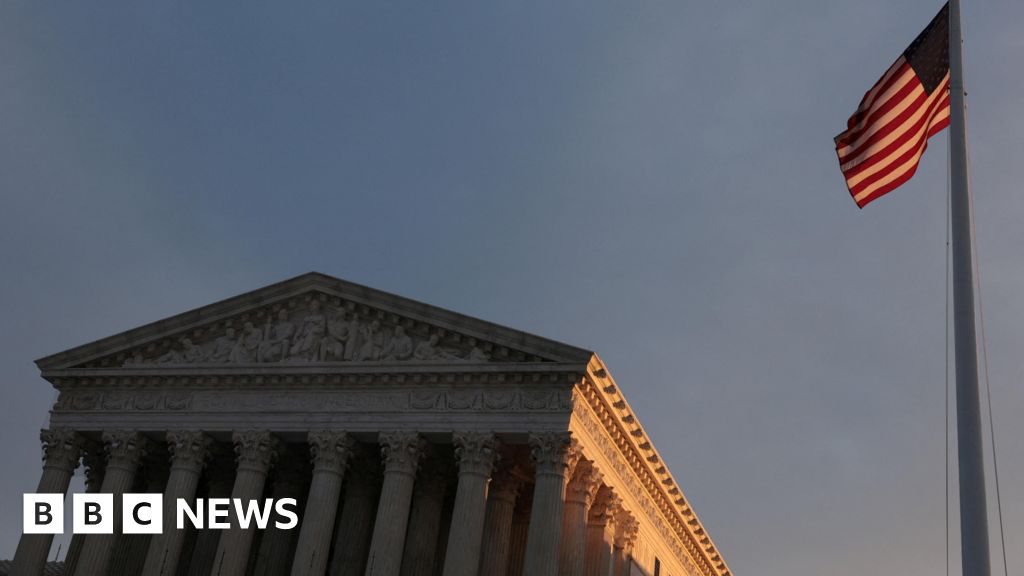
The Supreme Court's decision on Trump's trade strategy could come as soon as Wednesday.

Rescuers were called to help a man who tried to reach an island off the coast of Edinburgh- using an inflatable mattress.

 Daily Mail UK
  Daily Express
  Ruptly
  The Sun
  POLITICO
  POLITICO Europe
  Daily Mail U.K
  Liverpool Echo
  BBC Politics
  Metro
Metro