Guardian Hope appeal raises £950,000 for charities tackling racism and division

Guardian Hope appeal raises £950,000 for charities tackling racism and division

Appeal, now in its final few days, raising funds for organisations trying to stop rise of hatred across UK Donate to our charity appeal here Generous Guardian readers have so far raised more than £950,000 as our Hope appeal supporting charities tackling social division, racism and hatred enters its final few days. The 2025 appeal, which closes at midnight on Wednesday evening, is aiming to raise £1m for grassroots voluntary organisations campaigning against extremism, anti-migrant rhetoric, and the re-emergence of “1970s-style racism” . Continue reading...

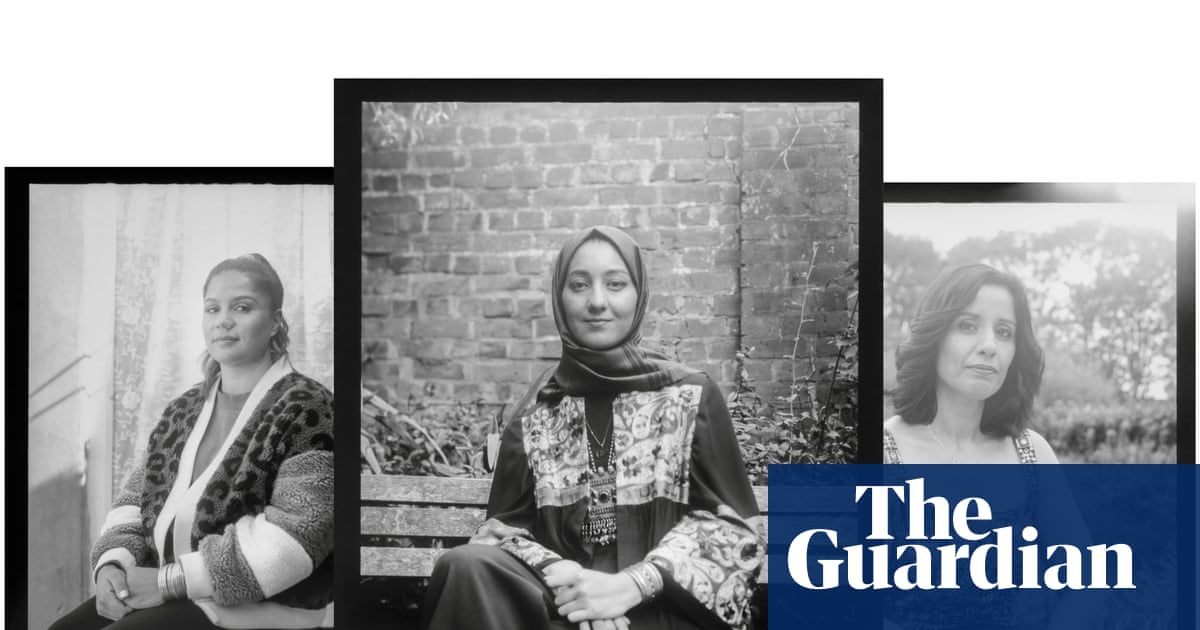
Afghan women in the UK: amplifying their voice – a photo essay

Afghan women in the UK: amplifying their voice – a photo essay

Over four years have passed since the Taliban returned to power in Afghanistan. Claudia Janke’s photographic series features 7 Afghan women who have found safety in the UK after escaping at great personal risk. She worked using an Instant Box Camera, the only type of camera allowed under the Taliban’s first regime, reclaimed for the these women to amplify their voices Since the Taliban’s return to power in Afghanistan in 2021, the regime has imposed sweeping restrictions on the rights of women and girls, with devastating consequences for society. Girls are barred from attending school beyond the sixth grade, and women are prohibited from working, appearing on television, leaving the house alone, and singing or speaking in public. They have been systematically erased from public life. A recent UN Women report underscores the scale of this repression. The Afghanistan Gender Index 2025 reveals, among other findings: No female representation in national or local decision-making bodies. A complete ban on secondary education for girls. A staggering 76% gender gap across health, education, finance, and governance – one of the worst in the world. Continue reading...

Seven by Joanna Kavenna review – a madcap journey to the limits of philosophy

Seven by Joanna Kavenna review – a madcap journey to the limits of philosophy

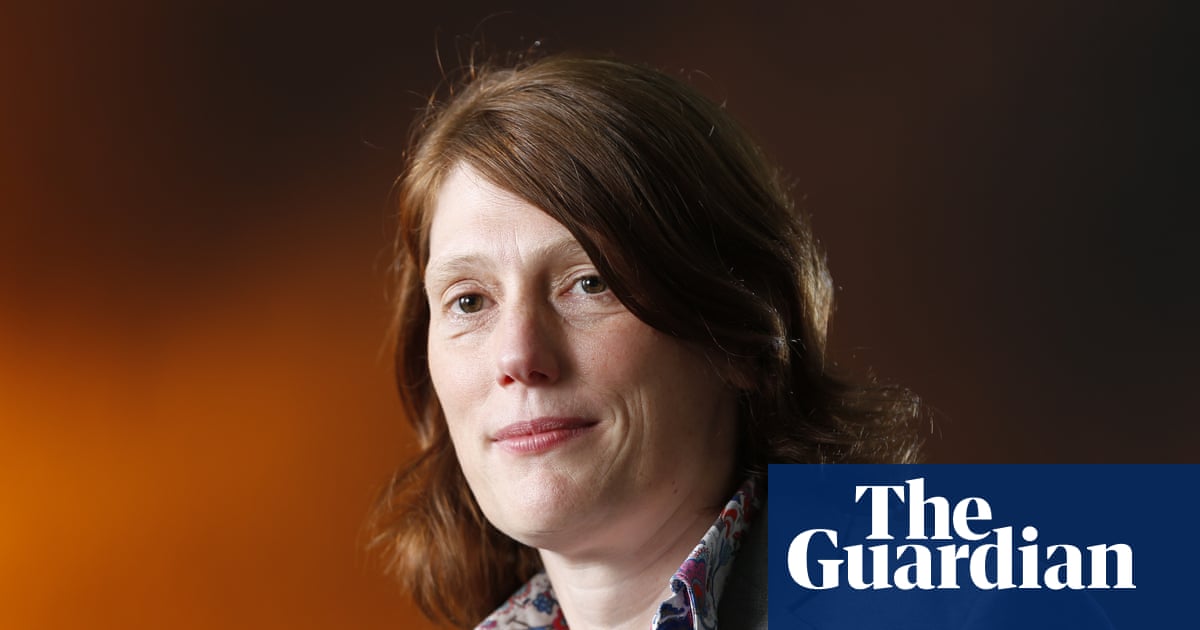
With its cast of thinkers, gamers and artists, this romp across Europe explores our desire to define reality – even as it slips from our intellectual grasp Joanna Kavenna’s two decades as a writer have seen her beat a gorgeously unconventional path through a plethora of subjects and genres, from polar exploration to motherhood to economic inequality, and from travelogue to academic satire to technological dystopia. “I like genre,” Kavenna said in a 2020 interview , “because there’s a narrative and you can kind of work against it, test it.” That being said, her seventh published book, Seven, is a curiously uncategorisable, protean thing: a slim, absurdist novel, but chunky with ideas. Of all the genres Kavenna has worked within – or, more accurately, vexed the boundaries of – Seven (Or, How to Play a Game Without Rules) is probably closest to an academic satire. We first encounter the novel’s thoroughly anonymised first-person narrator in Oslo in the summer of 2007, where he or she or they are employed as a research assistant to a renowned Icelandic philosopher named Alda Jónsdóttir. Jónsdóttir is described as “eminent, tall, strong and terrifying”, and likes to host dinner parties for her histrionic institutional peers. The hapless narrator’s job is to help facilitate her work in “box philosophy”: “the study of categories, the ways we organise reality into groups and sets […] the ways we end up thinking inside the box, even when we are trying to think outside the box”. Continue reading...

Guián review – celebration of multicultural identity through a Chinese grandmother in Costa Rica

Guián review – celebration of multicultural identity through a Chinese grandmother in Costa Rica

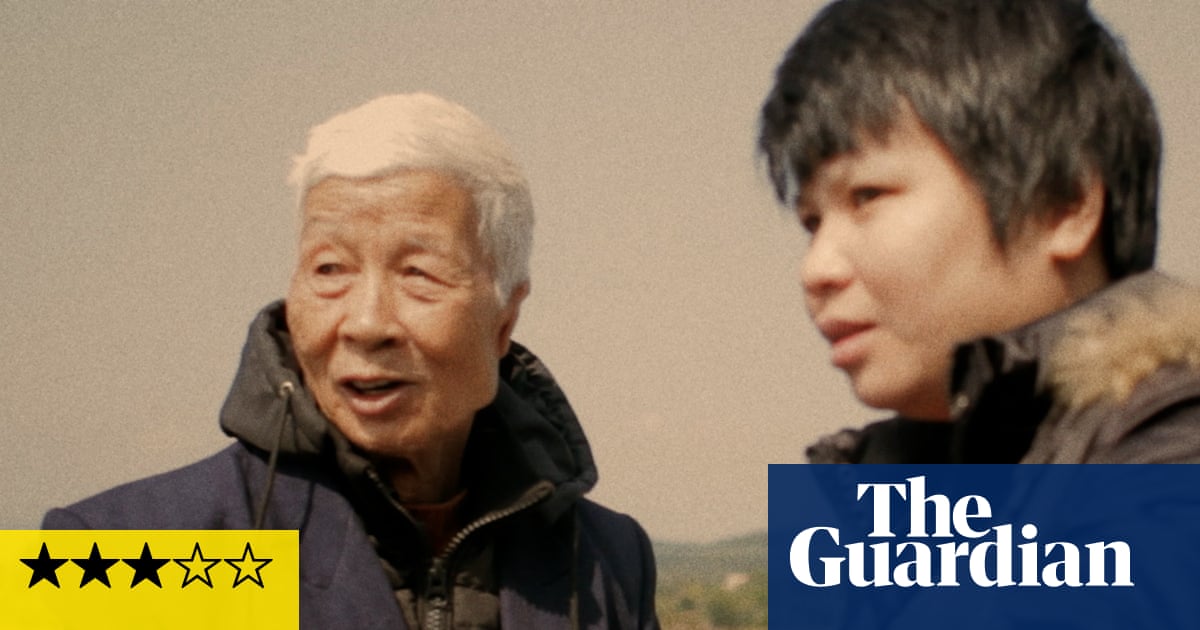
Director Nicole Chi Amén embarks on a journey to learn more about her own mixed cultural heritage after the death of her Guangdong-born grandma Nicole Chi Amén, a Costa Rican woman of Chinese descent, has always been on the outside looking in. The opening scene of her moving debut feature replicates this predicament visually: her face pressed against a metal barricade, she looks through a hole in the opaque facade with interest. The camera is observing, too, and the sight of a house being torn down gradually comes into view. This was once the home of her maternal grandmother, a Guangdong native who emigrated to Costa Rica more than 60 years ago. Conceived in the aftermath of her passing, Amén’s film probes the fragility as well as the resilience of cultural heritage as she embarks on a journey of self-discovery. Since neither Amén nor her grandmother speaks the other’s native language, a barrier looms large in their relationship. Even “guián”, the name Amén used to call her grandma, is a linguistic hiccup; the word refers to a paternal grandmother in the Enping dialect, a variation of Cantonese. In fact, miscommunication surrounds Amén wherever she goes. In a revealing sequence stitched together from various taxi rides, she is constantly queried by drivers confused by her multicultural identity. Seemingly innocuous, their prying betrays startling ignorance and racist prejudice. The same situation recurs when she travels to Guangdong to get closer to her roots, only this time the people asking these questions look like her. Continue reading...

Guián review – celebration of multicultural identity through a Chinese grandmother in Costa Rica

Guián review – celebration of multicultural identity through a Chinese grandmother in Costa Rica

Director Nicole Chi Amén embarks on a journey to learn more about her own mixed cultural heritage after the death of her Guangdong-born grandma Nicole Chi Amén, a Costa Rican woman of Chinese descent, has always been on the outside looking in. The opening scene of her moving debut feature replicates this predicament visually: her face pressed against a metal barricade, she looks through a hole in the opaque facade with interest. The camera is observing, too, and the sight of a house being torn down gradually comes into view. This was once the home of her maternal grandmother, a Guangdong native who emigrated to Costa Rica more than 60 years ago. Conceived in the aftermath of her passing, Amén’s film probes the fragility as well as the resilience of cultural heritage as she embarks on a journey of self-discovery. Since neither Amén nor her grandmother speaks the other’s native language, a barrier looms large in their relationship. Even “guián”, the name Amén used to call her grandma, is a linguistic hiccup; the word refers to a paternal grandmother in the Enping dialect, a variation of Cantonese. In fact, miscommunication surrounds Amén wherever she goes. In a revealing sequence stitched together from various taxi rides, she is constantly queried by drivers confused by her multicultural identity. Seemingly innocuous, their prying betrays startling ignorance and racist prejudice. The same situation recurs when she travels to Guangdong to get closer to her roots, only this time the people asking these questions look like her. Continue reading...

Amazon insists I return a phone it says ‘may be lost’

Amazon insists I return a phone it says ‘may be lost’

I have paid two monthly £108 instalments but am now phone-less and out of pocket I ordered a £544 phone from Amazon. A tracking update later informed me that it “may be lost” and I could request a refund. I pressed the refund option and was directed to customer service, which insisted I wait a week to claim. A week later I was told I needed to file an incident report from the email address associated with my account. When I complied, the report was rejected as coming from an address that “didn’t meet certain security standards”. Continue reading...