‘We want people to sit, pause, relax’: National Trust to open its libraries for public use

‘We want people to sit, pause, relax’: National Trust to open its libraries for public use

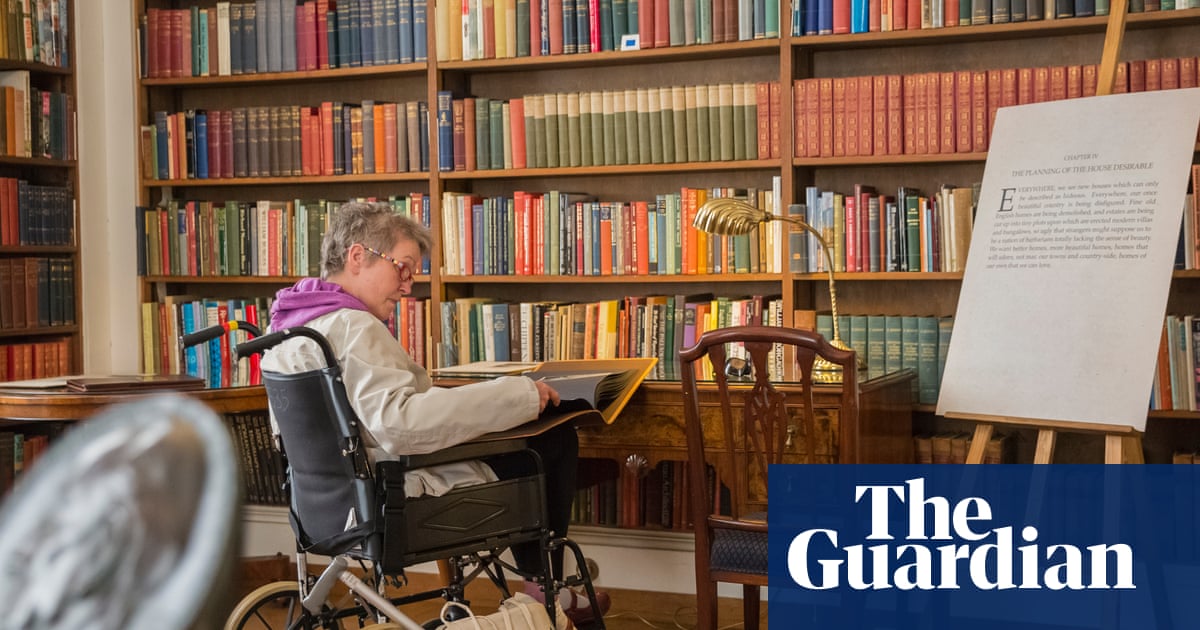
Charity plans to make stately homes more welcoming by inviting visitors to use furniture and reading rooms There was a time, not so long ago, when a visit to a National Trust stately home could be a staid affair and sitting on the furniture tended to be discouraged, with pine cones or teasels often placed on chairs to remind people not to perch. This year, one of the aims of the conservation charity will be to make people feel more at ease in its grand houses and, where practical, allow them to sit on historic chairs and use libraries and reading rooms rather than simply peer into them. Continue reading...

No staff, no equipment, no medicine: a doctor on returning to Gaza after 665 days in an Israeli prison

No staff, no equipment, no medicine: a doctor on returning to Gaza after 665 days in an Israeli prison

Dr Ahmed Muhanna, one of the country’s most senior emergency care consultants, says the scale of destruction he saw on his release brought him to tears The only thing that kept Dr Ahmed Muhanna going during his 22 months inside Israeli prisons and detention centres was dreaming of his return to his family and to Gaza. When he was finally released after 665 days as a prisoner, he arrived home to find every place he had returned to in his memories had been obliterated. While in prison, he and the other inmates were “completely cut off from the outside world”, he says. When he was released he was driven over the border and through Gaza to his hospital, the al-Awda. The scale of the destruction he saw “made my skin crawl … my chest tightened and my tears began to flow”. Continue reading...

My favourite family photo: ‘We’re plainly not allergic to our mother here, as her legend always had it’

My favourite family photo: ‘We’re plainly not allergic to our mother here, as her legend always had it’

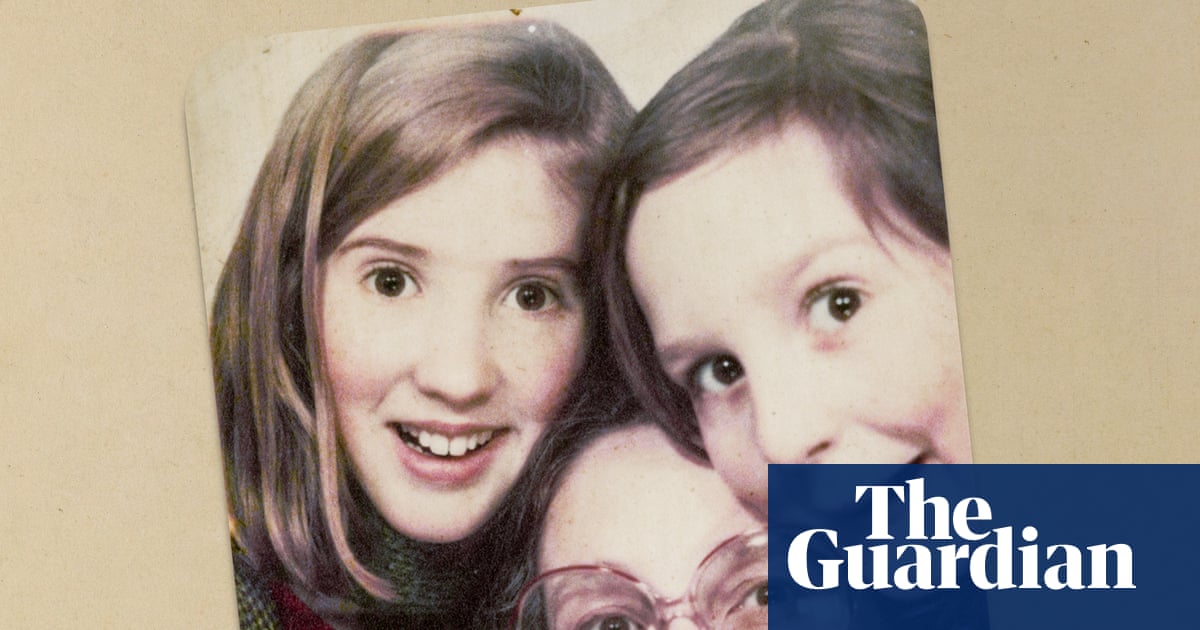
Our politically engaged mother loved deriding me and my sister for being stroppy and delinquent. This picture tells another story – and is a testament to our sunny dispositions My mother, Gwen, liked to describe things in broad brush strokes. Me and my sister’s teenage years, mid-80s to early 90s, she’d cover with: “Zoe was delinquent, couldn’t get a word of sense out of her.” Or: “1986? That was the year Stacey was awful. ” Going through photo albums to make a montage for her funeral, all her pictures from that era were testament to our ill-behaviour: me, sniffing a geranium, sarcastically; Stace, outside a cafe in an indeterminable European city where you can almost lip-read her stroppy “piss off” to camera in the still moment. Gwen was politically engaged – you’d come downstairs on a Wednesday morning to find a handwritten letter starting, “Dear Pérez de Cuéllar, I cannot deplore enough your silence on the matter of the Western Sahara” – and heavily involved in progressive politics: our kitchen was full of posters that would have to catch on fire before they’d ever get taken down. There was one fighting pit closures, for example, right next to one about having no planet B, and mum went heavy on the spoof public information campaigns. Instead of the government’s “protect and survive” leaflets, telling you how to survive a nuclear war by taking a door off its hinges and propping it against a wall , there was a “protest and survive” poster; a rip-off of the “Don’t Die of Ignorance” HIV campaign, which said something like “Don’t Die of Tories”, and “Heroin isn’t the only thing that damages your mind”, featuring a man reading (I think?) The Sun. Continue reading...

The friendship secret: why socialising could help you live longer

The friendship secret: why socialising could help you live longer

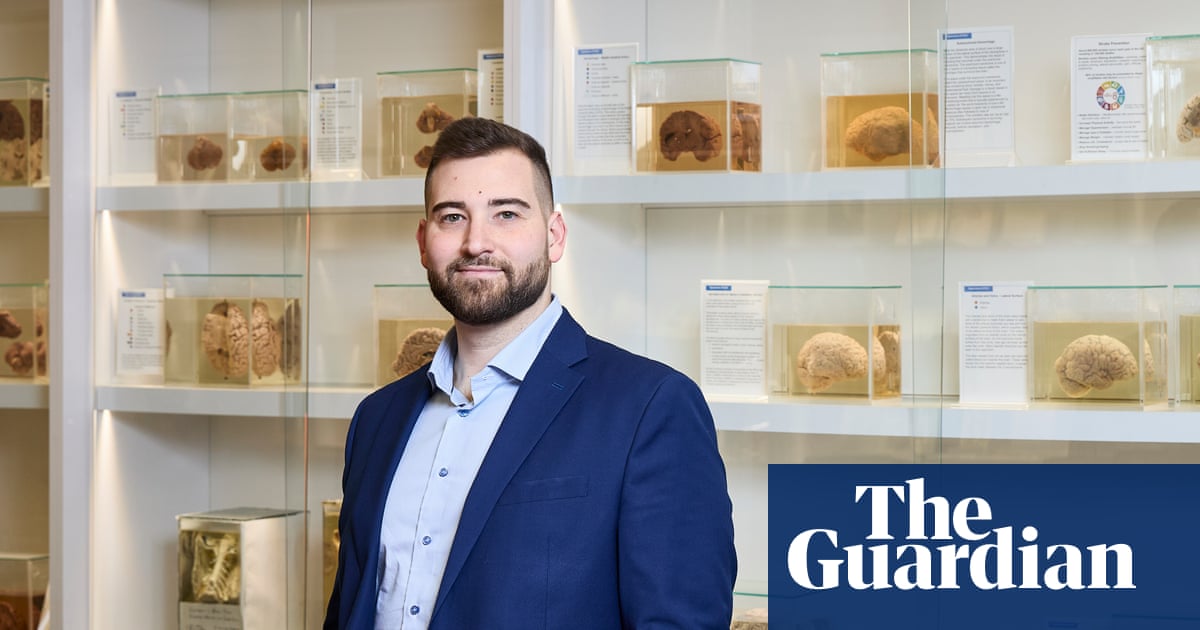
Neuroscientist Ben Rein is on a mission to show that being around others not only feels good, but can even improve recovery from strokes, cancer and heart attacks. So why are so many of us isolated and glued to our phones? ‘I hate it.” I’ve asked the neuroscientist Ben Rein how he feels about the online sea of junk neuroscience we swim in – the “dopamine fasts”, “serotonin boosts” and people “regulating” their “nervous system” – and this is his kneejerk response. He was up early with his newborn daughter at his home in Buffalo, New York, but he’s fresh-faced and full of beans on a video call, swiftly qualifying that heartfelt statement. “Let me clarify my position: I don’t hate it when it’s accurate, but it’s rarely accurate.” He draws my attention to a reel he saw recently on social media of a man explaining that reframing pain as “neurofeedback, not punishment” activates the anterior cingulate cortex (a part of the brain involved in registering pain). “That’s genuinely never been studied; you are just making this up,” he says. He posted a pithy response on Instagram, pleading with content creators to “leave neuroscience out of it”. “That’s why I think it’s especially important for real scientists to be on the internet,” he says. “We need to show the public what it looks like to speak responsibly and accurately about science.” Continue reading...

Civil society groups condemn ‘dangerous’ plans for more anti-protest powers

Civil society groups condemn ‘dangerous’ plans for more anti-protest powers

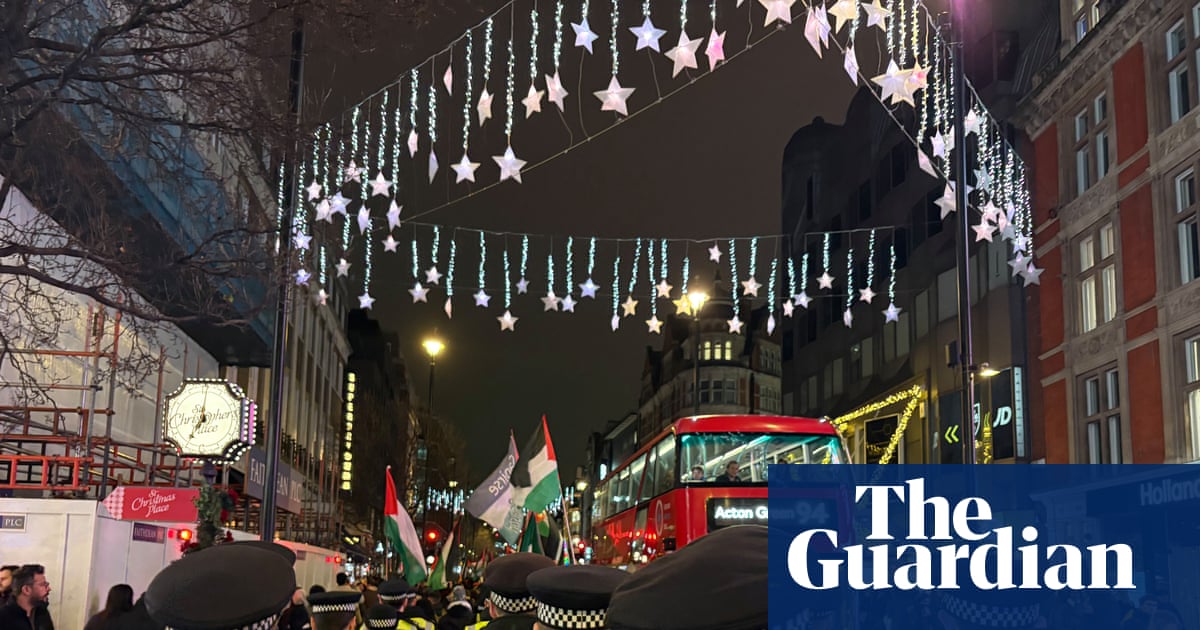
Dozens including TUC join force to oppose ‘wide-ranging’ move to increase police powers in England and Wales More than 40 civil society groups including the TUC, Greenpeace and the Palestine Solidarity Campaign have joined forces to oppose “dangerous” plans to increase police powers to ban protests in England and Wales. They said an amendment in the crime and policing bill, which would require police to consider the “cumulative impact” of repeated protests in the same area when imposing conditions on demonstrations, represented a “draconian crackdown on our rights to freedom of expression and assembly”. Continue reading...

What can the EU and Nato do to stop Trump from trying to claim Greenland?

What can the EU and Nato do to stop Trump from trying to claim Greenland?

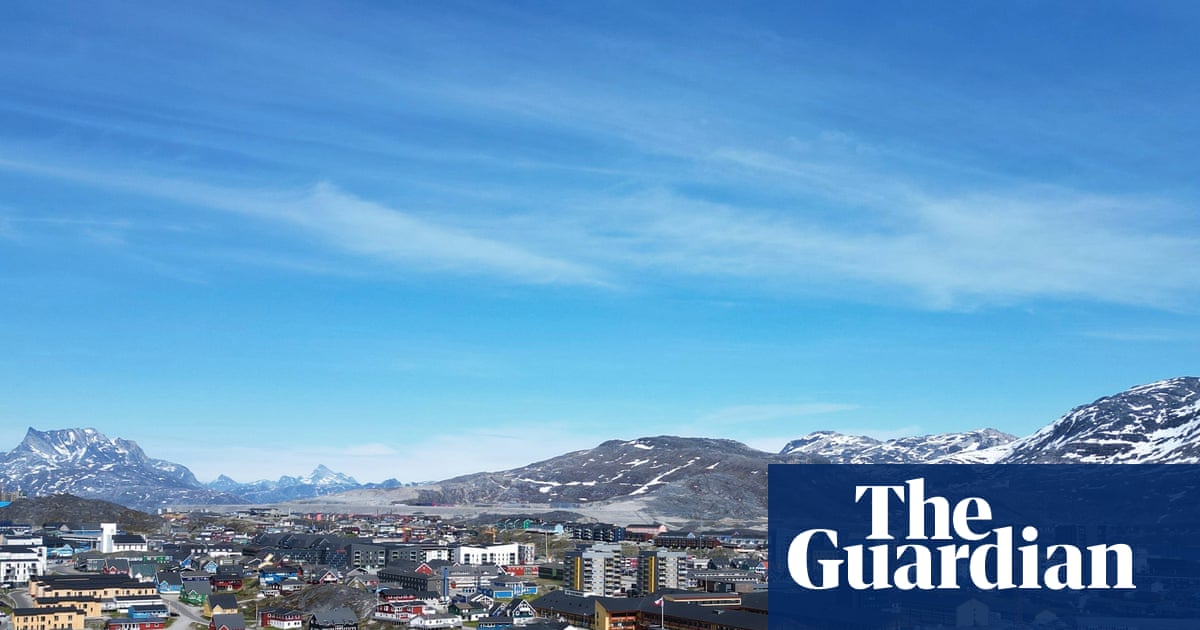
The territory and the European bloc are trying to see off the US president, who has said control of Greenland is essential to national security The Trump administration has said repeatedly that the US needs to gain control of Greenland, justifying its claim from “the standpoint of national security” and warning that it will “do something” about the territory “whether they like it or not” . This puts the EU and Nato in a difficult spot. Greenland, a largely self-governing part of Denmark, is not a member of the bloc but Denmark is; while the Arctic island is covered by the defence alliance’s guarantees through Denmark’s membership. Continue reading...

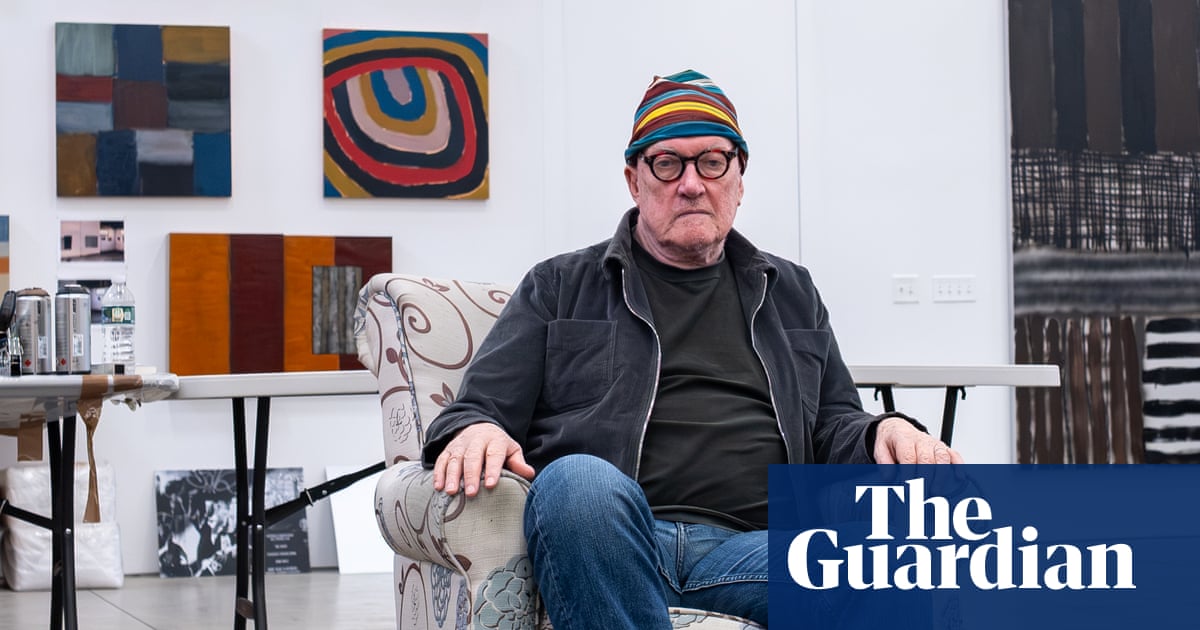
‘I’m the product of a smashed-up family’: how Sean Scully became the greatest abstract painter alive

‘I’m the product of a smashed-up family’: how Sean Scully became the greatest abstract painter alive

He has survived loss, breakdown and schooling by ‘scary nuns’, but the anguish is still there in his art. As his new show thrills Paris, the US-based, Irish-born artist talks about the pain that drives him When I ask Sean Scully what an abstract painting has over a figurative one it’s music he reaches for. “You might ask, what’s Miles Davis got over the Beatles? And the answer is: doesn’t have any words in it. And then you could say, what have the Beatles got over John Coltrane? Well, they’ve got words.” It’s clear which choice he has made. Scully, who paints rectangles and squares and strips of colour abutting and sliding into each other, is an instrumentalist in paint rather than a pop artist. The meaning of his art is something you feel, not something you can easily describe. He has more in common with Davis and Coltrane than with the Beatles. In addition to improvisational brilliance, his new paintings even colour-match with Coltrane’s classic album Blue Train and Davis’s Kind of Blue. For Scully, the greatest living abstract painter, is playing the blues in Paris. In his current exhibition at the city’s Thaddaeus Ropac Gallery, long, textured blue notes as smoky as a sax at midnight alternate and mingle with black and red and brown in a slow, sad, beautiful music that doesn’t need words, art that doesn’t require images. Continue reading...