Sabiha Gökçen’in ‘dijital beyni’ Türk mühendislerden: HUPS devrede! Yabancıya para ödeme devri bitti…

Sabiha Gökçen’in ‘dijital beyni’ Türk mühendislerden: HUPS devrede! Yabancıya para ödeme devri bitti…

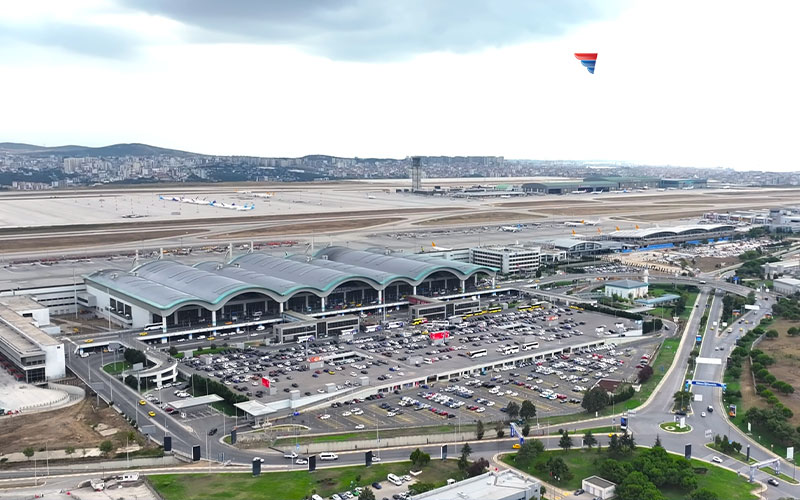
İstanbul Sabiha Gökçen Havalimanı Meydan Otoritesi (HEAŞ), havacılık sektöründe sessiz sedasız bir devrime imza attı. Yıllardır yabancı menşeli sistemlerin tekelinde olan uçuş planlama ve takip süreçleri, artık tamamen "Yerli ve Milli" akılla yönetiliyor. Sabiha Gökçen’in ‘dijital beyni’ Türk mühendislerden: HUPS devrede! Yabancıya para ödeme devri bitti… yazısı ilk önce HavaHaber üzerinde ortaya çıktı.

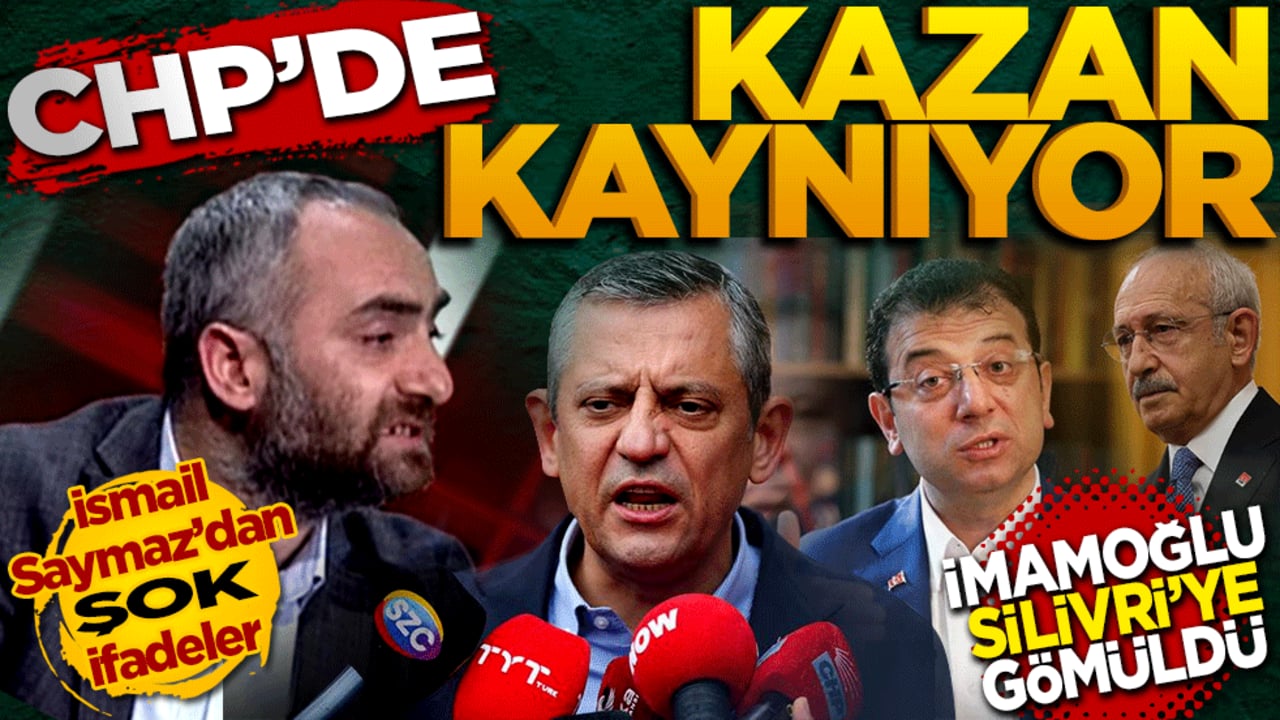
CHP'de kazan kaynıyor: İmamoğlu Silivri’ye gömüldü, Özgür Özel koltuk derdine düştü!

CHP'de kazan kaynıyor: İmamoğlu Silivri’ye gömüldü, Özgür Özel koltuk derdine düştü!

Kirli pazarlıklar ve koltuk kavgalarıyla çalkalanan CHP'de taşlar yerinden oynuyor. "Ekrem İmamoğlu'nu Silivri betonuna gömecekler" hakikati, fondaş medyada da yankılanmaya başladı. Şaibeli diplomalar ve yolsuzluk dosyalarıyla anılan İmamoğlu'nun adaylık hayalleri suya düşerken, Özgür Özel'in "Saray entrikaları" aratmayan adaylık planları ve Kemal Kılıçdaroğlu'nun "Dönüş" hazırlıkları partiyi parçalanmanın eşiğine getirdi.

The US, the new Middle East order and the continuity of dependency - I

The US, the new Middle East order and the continuity of dependency - I

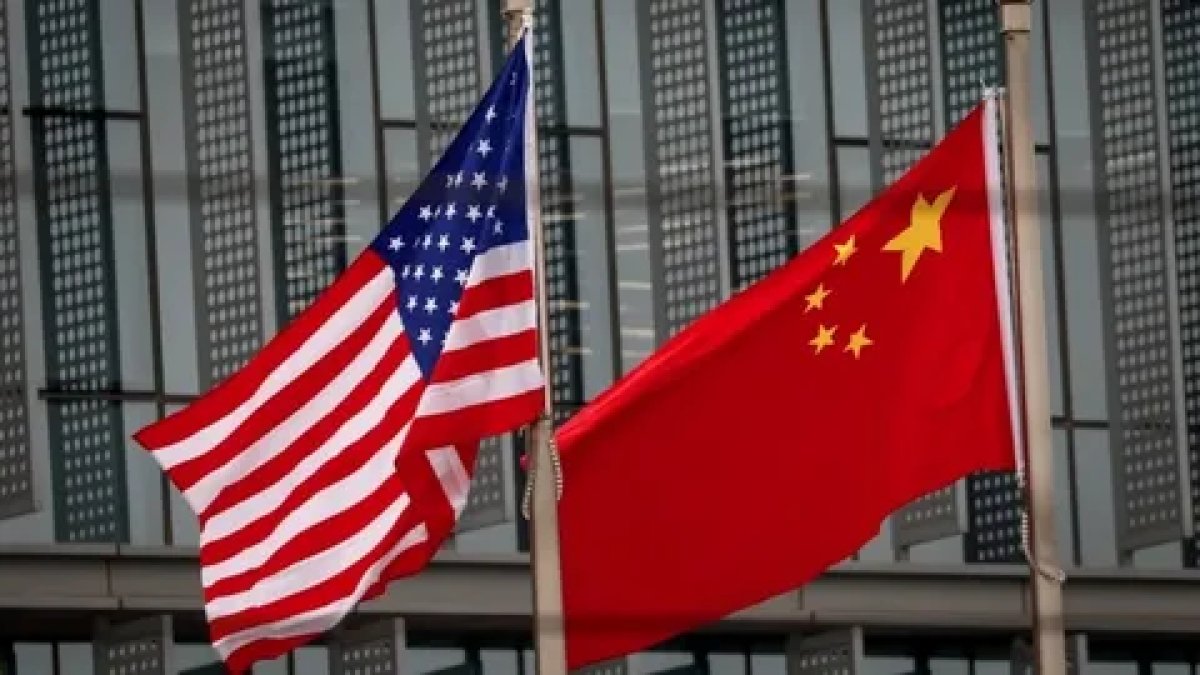
İlhan Uzgel While the Middle East region and the world await a possible US - Israel military operation, a new order is being established in the region. It was to be expected that the transformation in the global system would also affect the Middle East, one of the most critical regions in the world, and so it has. In this article, I will discuss the cornerstones of this order being established right next to us. Firstly, this new order is again being established from outside, from above, and by Western countries. Alongside the discomfort of history repeating itself in this region a century later, I will also try to address the reasons behind it. Secondly, I discuss how this order will operate through states (not organisations) and is being established based on harmony between central governments, all of which are now US allies. Whether this will work is a separate issue. Thirdly, I will discuss why the frequently cited tripartite interpretation of the global system, ‘The US is taking down – Multipolarity is strengthening – The Global South is on the rise’, is not reflected in the Middle East. THE MIDDLE EAST IN THE NATIONAL SECURITY DOCUMENT The US no longer wants to place the Middle East at the centre of global politics. This approach is very clearly reflected in the National Security Strategy Document published by the Trump administration in November 2025. Firstly, the Middle East region is ranked fourth in the Document, behind other regions, and is given little attention. Secondly, when addressing the Middle East, the heading ‘Transferring Responsibility and Building Peace’ is used. The heading actually reflects the content of the policy or the Trump administration's intentions. The document clearly declares to the world that the Middle East no longer holds its former importance for the US in terms of energy needs (the US is a net exporter of oil and natural gas) and the struggle for great power. In fact, withdrawal from the Middle East is a debate that began during the Obama era in 2011. But the Trump administration has been more explicit on this issue and, for the first time, has defined the Middle East not as a strategic asset for the US, but as a burden. NEW METHODS OF THE NEW POLICY In domestic and foreign policy, backdoor diplomacy, the use of intermediaries and informal networks are commonplace. As politics is about getting results, the US in particular prefers the most direct route in many problems and crises, establishing contact, holding talks and negotiating with every actor, including those it has declared its enemies. However, as a characteristic of the era we live in, the Trump administration has taken this approach a step further and deliberately excluded institutionalism. Turkish Ambassador and Special Representative to Syria Tom Barrack, Special Representative Steve Witkoff, and his son-in-law and advisor Jared Kushner are shaping the Middle East through direct leader diplomacy, bypassing traditional institutions. These three individuals are involved in everything from the Peace Committee in Gaza to the Yemeni Civil War and Iran, without any ethical concerns or regard for the expectations of the countries and peoples of the region, imposing solutions when necessary. They deal only with Trump; even Secretary of State Rubio is unaware of many decisions. Because the goal is to reshape the Middle East quickly. When necessary, they squeeze personal commercial, financial, and investment opportunities into every political meeting and transformation as an element of the new era, alongside traditional methods such as the use of military force or diplomacy. ISRAEL'S SECURITY ISSUE The US's goal of reducing its engagement in the region and ensuring Israel's security for decades to come are part of the same policy. For this reason, the US has pursued a three-pronged strategy for Israel's security. 1- Regimes that could cause problems for Israel were eliminated by military means. Over a long period, regimes that were anti-Western (rejecting integration into neoliberalism and refusing to abandon social welfare policies, nationalist, and leaning on countries such as Russia and China) were overthrown by the US and its allies. Libya (Gaddafi), Iraq (Saddam) and, most recently, Syria (Assad). The final link in this chain is, of course, Iran. However, because Iran is different from the others in terms of scale and capacity, a more subtle and protracted strategy was required. We are currently at this stage. 2- On the diplomatic front, the US made an important diplomatic move that will contribute to Israel's security. It also implemented processes such as the Abraham Accords, which envisage Arab countries that have not yet recognised Israel to do so. Although paused due to the massacre in Gaza, the US will exert its influence and try to continue the process. 3- Organisations that could cause problems for Israel were suppressed, and their leaderships were eliminated. Examples include Hezbollah and Hamas. While the US intervened militarily to ease the pressure on Israel, it turned a blind eye to Israel's brutal massacres in Gaza, its assassination in Tehran, and its attacks on Lebanon, Syria, and even its ally Qatar. The most significant difference of opinion between the Trump administration and Israel emerged in Syria. Trump wanted the Assad regime to dominate the country, while Israel wanted a divided, unstable and weak Damascus regime. This tension was resolved with the agreement in Paris on 5-6 January, with Assad generally bowing to Israel's demands. TOWARDS AN IDEOLOGY-FREE MIDDLE EAST? The Middle East region has transformed into a geography that has lost the influence of ideologies throughout its historical process. Today, no one speaks of Pan-Arabism; Baathism and Arab nationalism were eliminated not only institutionally but also ideologically with the overthrow of parties and regimes in Iraq, Libya, and Syria. The ideology that came closest to the left in the region was Baathism, which, although not based on a working class and possessing an authoritarian-bureaucratic administration, emphasised social welfare policies. Apart from that, leftist movements could not gain strength in a region where the working class was weak. Islamism was the strongest ideology in this region throughout the 20th century. However, both political Islamism declined and the social influence of religion in the region began to wane. The Muslim Brotherhood, the most organised political Islamist movement in the wider Middle East, is now considered a terrorist organisation, particularly in Egypt, where it originated. Most recently, the Trump administration designated the Muslim Brotherhood as a terrorist organisation. As the US re-establishes its influence in the region, its priority is authoritarian leaders, not political Islamist movements. In Syria, Shara, who comes from a radical Islamist background, can be seen as an exception to this process. However, Shara was chosen not because he is Islamist, but because they could only overthrow Assad with the help of the HTS, and because it would be easier to govern the country with an actor who is Sunni, recruited from the organisation, and completely dependent on the West. While the Islamist regime in Iran has been forced to back down on the headscarf ban, Saudi Arabia, the centre of Wahhabism, is taking surprising steps towards secularisation under the Salman regime. Thus, Islamism is in decline both at the governmental level ‘from above’ and at the societal level ‘from below’. The US and Israel do not want an alternative ideological ground to emerge that would divide Arab and Muslim societies, mobilise them and enable their political organisation. The order being attempted to be established in this region is one led by leaders open to all kinds of bargaining, stable internally, serving the US-Israel strategy externally, with a weak civil society and a dysfunctional democracy. In this way, there will be no organised, systematic resistance to imperialist interventions from outside the region. To be continued... Note: This article is translated from the original article titled ABD, yeni Ortadoğu düzeni ve bağımlılığın sürekliliği - I , published in BirGün newspaper on February 17, 2026.

BİR AİLE YOK OLDU!

BİR AİLE YOK OLDU!

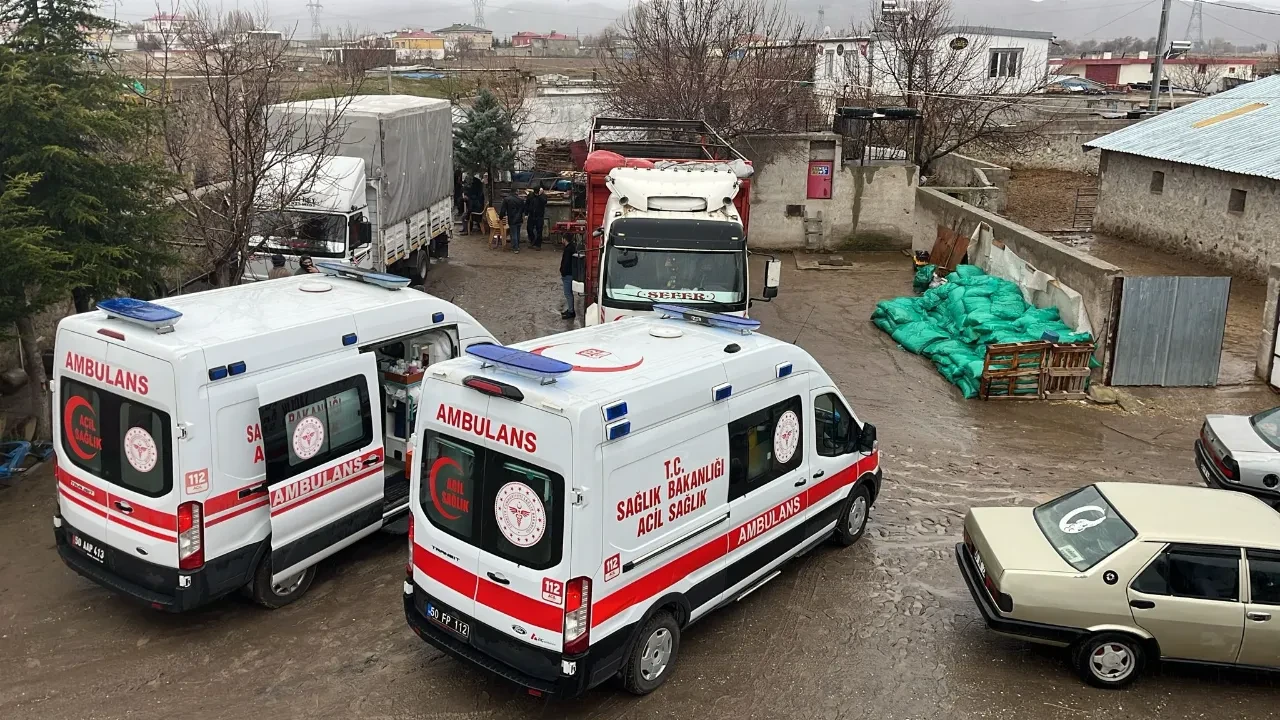
Nevşehir'in Acıgöl ilçesine bağlı Karacaören köyünde 3 kişi, sobadan sızan karbonmonoksit gazından zehirlenerek hayatını kaybetti. Olayda anne Azime Doğantekin, baba Sefer Doğantekin ve 8 aylık Mustafa Efe Doğantekin'in zehirlendiği belirlendi.

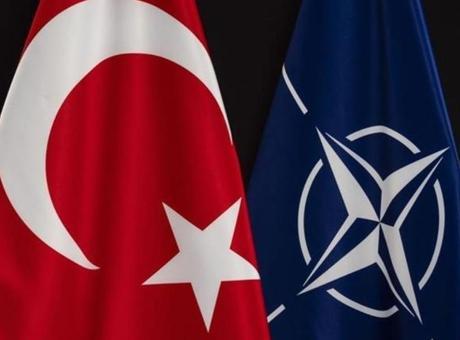
Dışişleri Bakanlığından Türkiye'nin NATO üyeliğinin 74. yıl dönümüne ilişkin paylaşım

Dışişleri Bakanlığından Türkiye'nin NATO üyeliğinin 74. yıl dönümüne ilişkin paylaşım

Dışişleri Bakanlığı'nın Nsosyal hesabından Türkiye'nin NATO üyeliğinin 74. yıl dönümüne ilişkin paylaşım yapıldı. İTTİFAKTA ÖNCÜ ROL Türkiye'nin, NATO’ya üyeliğinin 74. yıl dönümünde, güçlü ordusu, gelişmiş askeri kabiliyetleri ve dinamik savunma sanayisiyle Avrupa-Atlantik güvenliğine kritik ve kapsamlı katkılarda bulunmayı sürdürdüğü belirtilen paylaşımda, İttifak’taki öncü rolü çerçevesinde 7-8 Temmuz'da NATO Ankara Zirvesi’ne ev sahipliği yapacağı aktarıldı. Türk basınında bir ilk! Epstein mağduru Rina Oh, Milliyet.com.tr'ye konuştu: 'Topkapı Sarayı'na takıntılıydı' Türkiye, İkinci Dünya Savaşı sonrasında Sovyet tehdidine karşı kolektif savunma oluşturma amacıyla 1949'da kurulan NATO'ya resmen 18 Şubat 1952'de katılmıştı. Bugün 32 üyesi bulunan İttifak içinde Türkiye, kapasitesi yüksek hava, kara ve deniz unsurlarıyla NATO'nun önemli misyonları ve tatbikatlarında kritik roller üstleniyor. Japonya'nın 'demir leydisi' yeniden başbakan! Sanae Takaiçi kimdir?