


Şarkıcı Edis hakkında yakalama kararı
Uyuşturucu ve fuhuş soruşturması kapsamında şarkıcı Edis Görgülü hakkında yakalama kararı çıkartıldı
Uyuşturucu ve fuhuş soruşturması kapsamında şarkıcı Edis Görgülü hakkında yakalama kararı çıkartıldı

Cumhurbaşkanı Recep Tayyip Erdoğan, resmi ziyarette bulunmak üzere Etiyopya'nın başkenti Addis Ababa'ya geldi. Erdoğan, Addis Ababa Bole Uluslararası Havalimanı'nda Etiyopya Başbakanı Abiy Ahmed tarafından karşılandı.

İsviçreli spiker, soykırım destekçisi İsrailli sporcuyu canlı yayında ifşa etti.
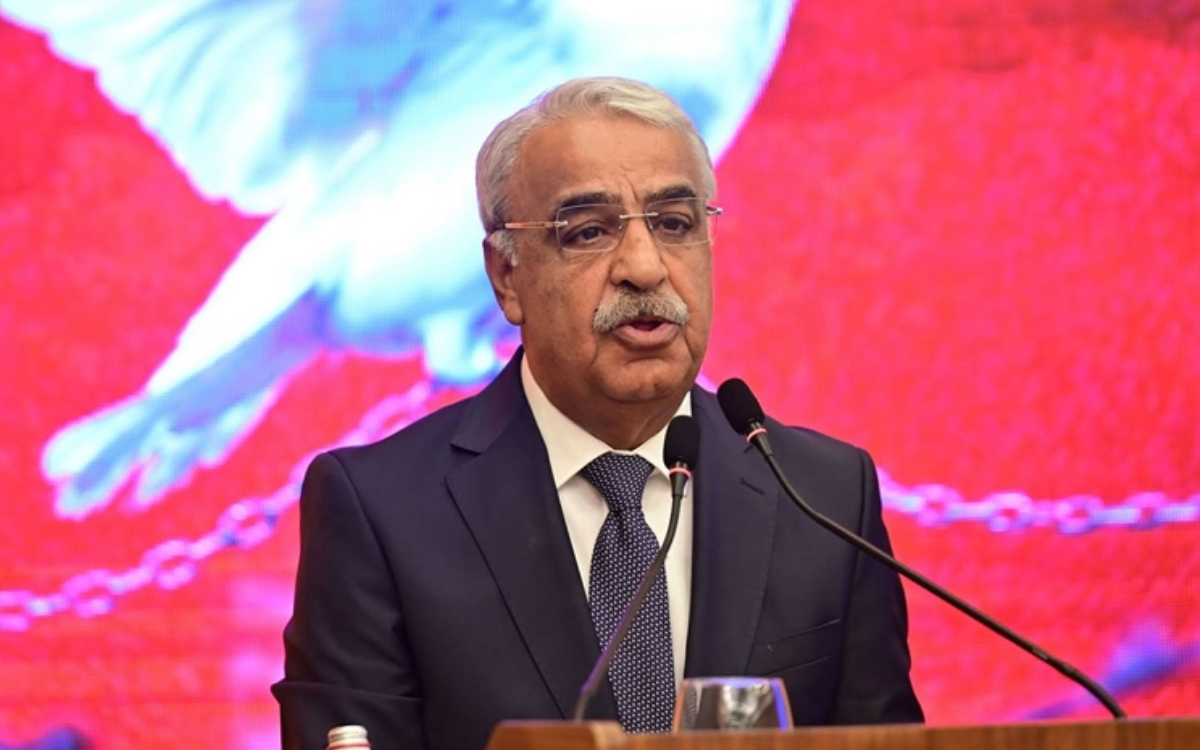
Öcalan’ın çözüm için somut bir çerçeveye işaret ettiğini aktaran Sancar, "10 Mart Anlaşması’nın müzakere ve diyalogla çözüm için temel çerçeve olduğunu zaten belirtiyor" dedi.

Ünlülere yönelik yürütülen 'uyuşturucu' soruşturması kapsamında; şarkıcı Murat Dalkılıç, şarkıcı Kaan Tangöze ve oyuncu İsmail Hacıoğlu'nun da aralarında bulunduğu çok sayıda kişi gözaltına alındı.
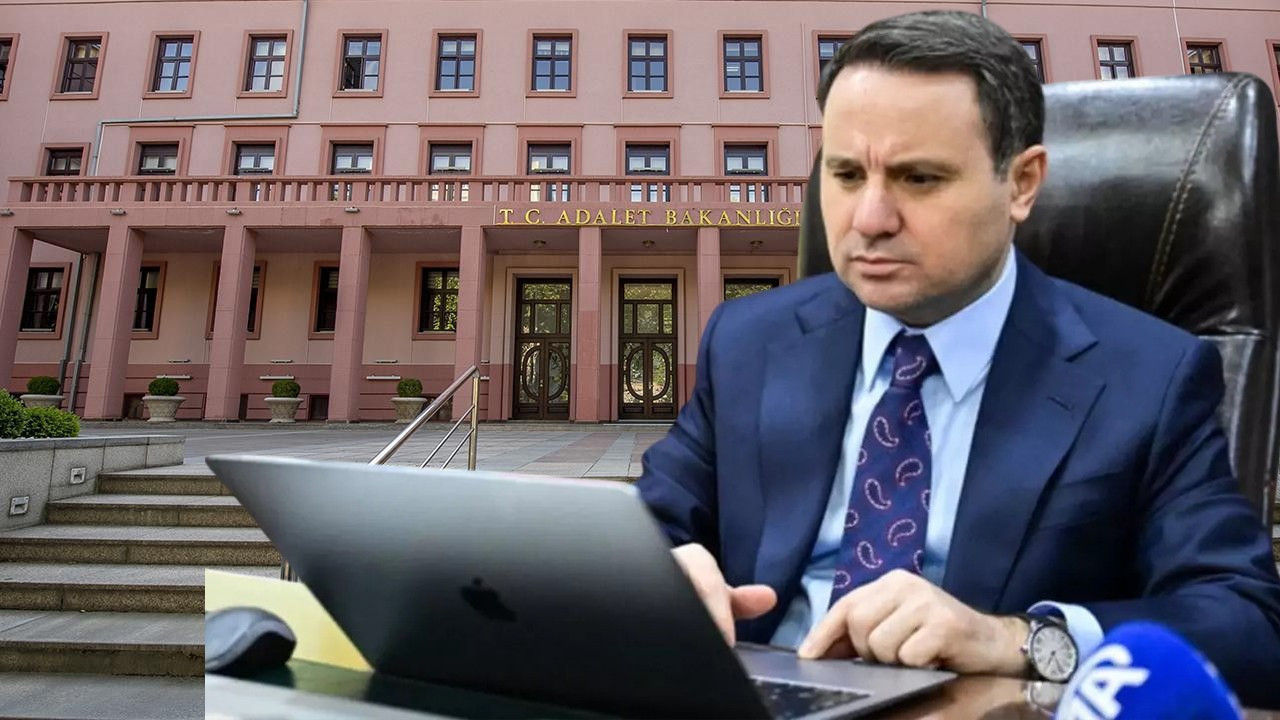
Adalet Bakanı Akın Gürlek, adalet teşkilatı yapılanmasına dair önemli açıklamalarda bulundu. Bakan Gürlek, "Biz 26 bin 765 hakim ve savcımızla, 96 bin 53 adalet personelimizle, 83 bin 929 Ceza ve Tevkifevleri teşkilatı mensubumuzla, 208 bin 223 avukatımızla büyük bir adalet ailesiyiz. Aynı ideale inanan, aynı vicdana yaslanan, aynı sorumluluğu paylaşan güçlü bir bütünüz" ifadelerini kullandı. Bakan Gürlek, "Birlikte daha adil bir gelecek inşa edeceğiz" vurgusunda bulundu.
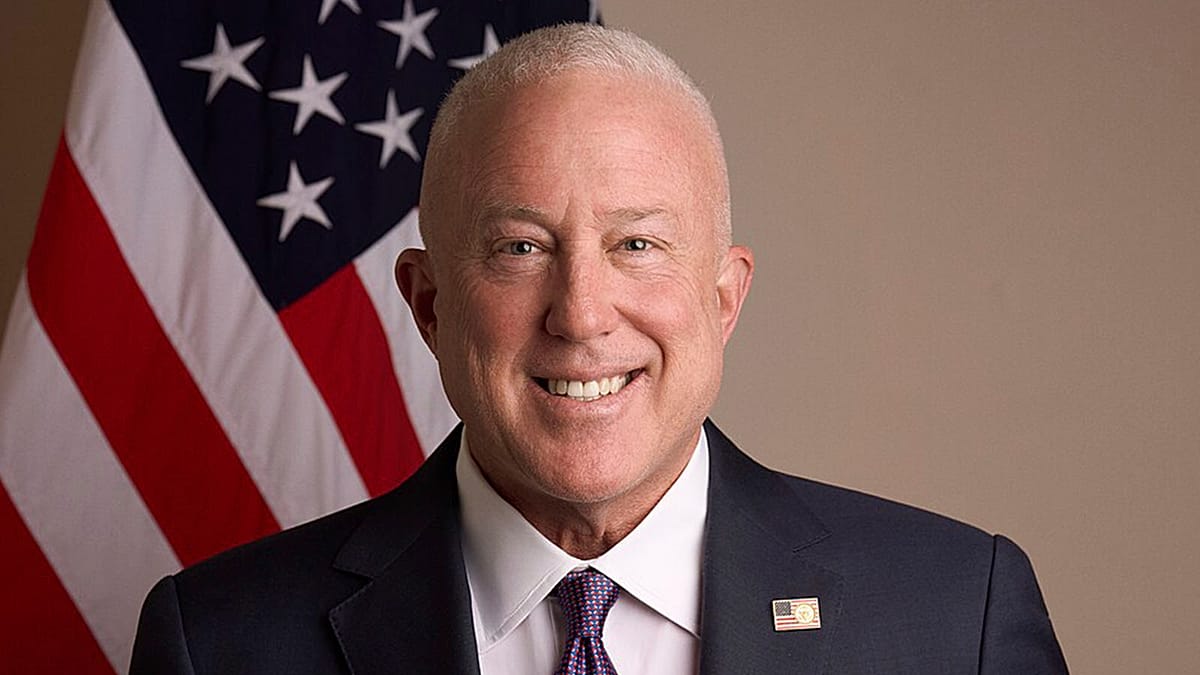
Tartışma, Belçika makamlarının Anvers şehrinde üç kişinin, sertifikalı tıbbi eğitimleri olmadan sünnet işlemi yapıp yapmadıklarını soruşturduğuna dair haberlerin ardından başladı.
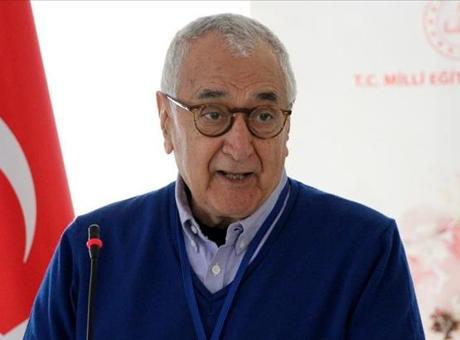
Psikolog ve yazar Doğan Cüceloğlu, ölümünün 5’inci yılında adının verildiği Küçükçekmece’deki Doğan Cüceloğlu Fen Lisesi’nde dün düzenlenen bir programla anıldı. Anma etkinliği kapsamında okulda “Bilim Kafe”nin açılışı yapılırken Doğan Cüceloğlu’nun eşi Yıldız Hacıevliyagil Cüceloğlu ile söyleşi gerçekleştirildi. Programa Küçükçekmece İlçe Milli Eğitim Müdürü Emin Çıkrıkçı, merhum Doğan Cüceloğlu’nun eşi Yıldız Hacıevliyagil Cüceloğlu, Okul Müdürü Aliekber Baba, öğretmenler ve öğrenciler katıldı. Etkinlik, lise bünyesinde bilimsel düşüncenin paylaşım ve üretim alanı olarak tasarlanan “Bilim Kafe”nin açılışıyla başladı. Açılışın ardından okulun konferans salonunda “İnsanı Anlamaya Dair İlham Verici Bir Söyleşi: Yıldız Hacıevliyagil Cüceloğlu ile Doğan Cüceloğlu’nun İzinde” başlıklı bir söyleşi gerçekleştirildi. Söyleşide Yıldız Hacıevliyagil Cüceloğlu, okulun edebiyat öğretmeni Meral Ünlü Yavuz ve öğrencilerin sorularını yanıtladı. Cüceloğlu, eşi Doğan Cüceloğlu’nun yaşamını, bilimsel yaklaşımını ve insanı anlama üzerine geliştirdiği düşüncelerini anlattı. Yıldız Hacıevliyagil Cüceloğlu, öğrencilere Doğan Cüceloğlu’nun “Kendi yaşamımın öğrencisiyim” yaklaşımını hatırlatarak düzenli günlük tutmalarını önerdi. Cüceloğlu, “Bir defter alıp üstüne ‘Kendi Yaşamımın Öğrencisiyim’ yazın. Her akşam kendinize 15 dakika ayırın ve bu defterde günün değerlendirmesini yapın. ‘Bugün ne yaşadım?’, ‘Hangi duyguları yaşadım?’, ‘Bu yaşadıklarım değerlerimle ilgili bana ne söylüyor?’, ‘Neyi iyi yaptım?’, ‘Neyi daha iyi yapabilirdim?’ gibi sorulara yanıt verin. Doğan Cüceloğlu, ‘Kendini tanımayan insan başkasını tanıyamaz. Kendinizi tanıdıkça diğer insanları, hatta insanlığı tanımaya başlarsınız’ derdi. Kendinizi daha iyi tanımak ve gelişiminize katkıda bulunmak için hepinize bu günlüğü tutmanızı tavsiye ediyorum. Benim de yıllardır böyle bir defterim var ve kendimi gözlemlemeye devam ediyorum” diye konuştu. Söyleşi, Doğan Cüceloğlu’nun yaşam anlayışını özetleyen “Hayat; yaşayıp deneyimlemek, deneyimlerden öğrenip gelişmek ve elinden gelenin en iyisini coşkuyla yapmak” sözlerinin hatırlatılmasıyla sona erdi. Doğan Cüceloğlu Fen Lisesi konferans salonundaki anma programında okul yöneticileri, öğretmenler ve Yıldız Hacıevliyagil Cüceloğlu öğrencilerle bir araya geldi. Doğan Cüceloğlu Fen Lisesi’nde kurulan Bilim Kafe’nin açılış kurdelesi Küçükçekmece İlçe Milli Eğitim Müdürü Emin Çıkrıkçı’nın katılımıyla kesildi. Okulda açılan Bilim Kafe’de Yıldız Hacıevliyagil Cüceloğlu, öğrencilerle birlikte bilimsel projeleri inceledi. Doğan Cüceloğlu Fen Lisesi Edebiyat Öğretmeni Meral Ünlü Yavuz ve Yıldız Hacıevliyagil Cüceloğlu anma programı kapsamında söyleşi gerçekleştirdi.
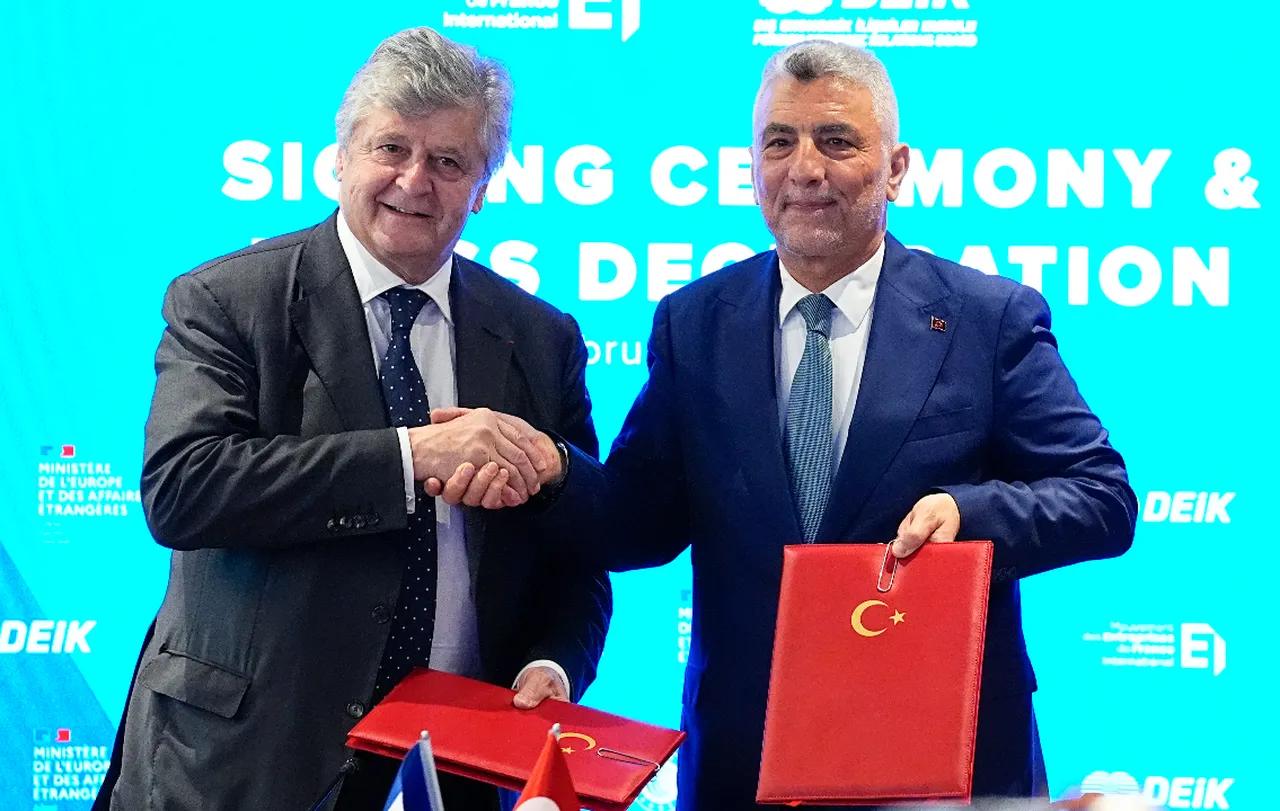
Fransa Dış Ticaret ve Ekonomik Çekicilikten Sorumlu Delege Bakan Nicolas Forissier, Fransız şirketlerin Türkiye ekonomisine katkısından bahsetti. Fransız şirketlerin doğrudan ve dolaylı olarak 400 bin kişiye istihdam sağladığını belirten Forissier, "2020 ile 2024 arasında Fransız şirketleri Türkiye'ye 3,6 milyar euroluk yatırım gerçekleştirdi ve 2027'ye kadar buna 5 milyar euroluk yatırım daha eklenecek." dedi.
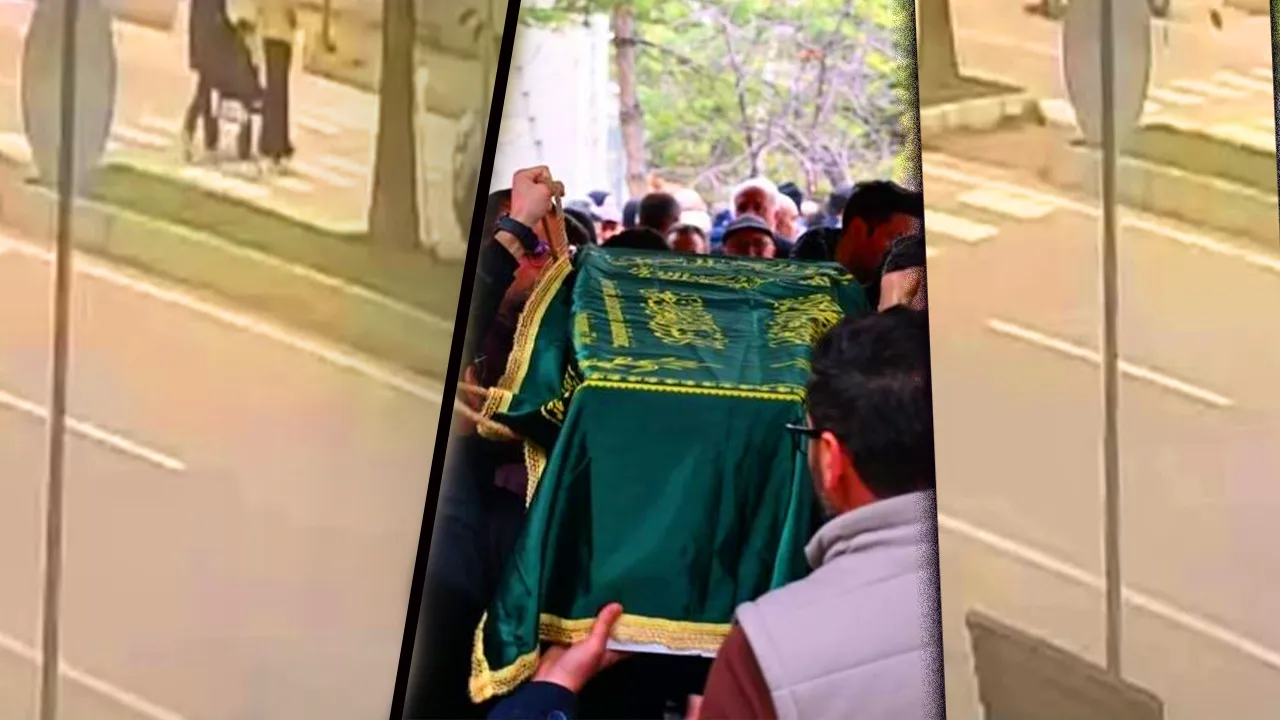
Adana’da 1,5 yaşındaki bebeğin hayatını kaybettiği motosiklet kazasının güvenlik kamerası görüntüleri ortaya çıkarken, sürücü Erman K. gözaltına alındı. Sürücü kendini "Korkup, kaçtım" diyerek savundu.
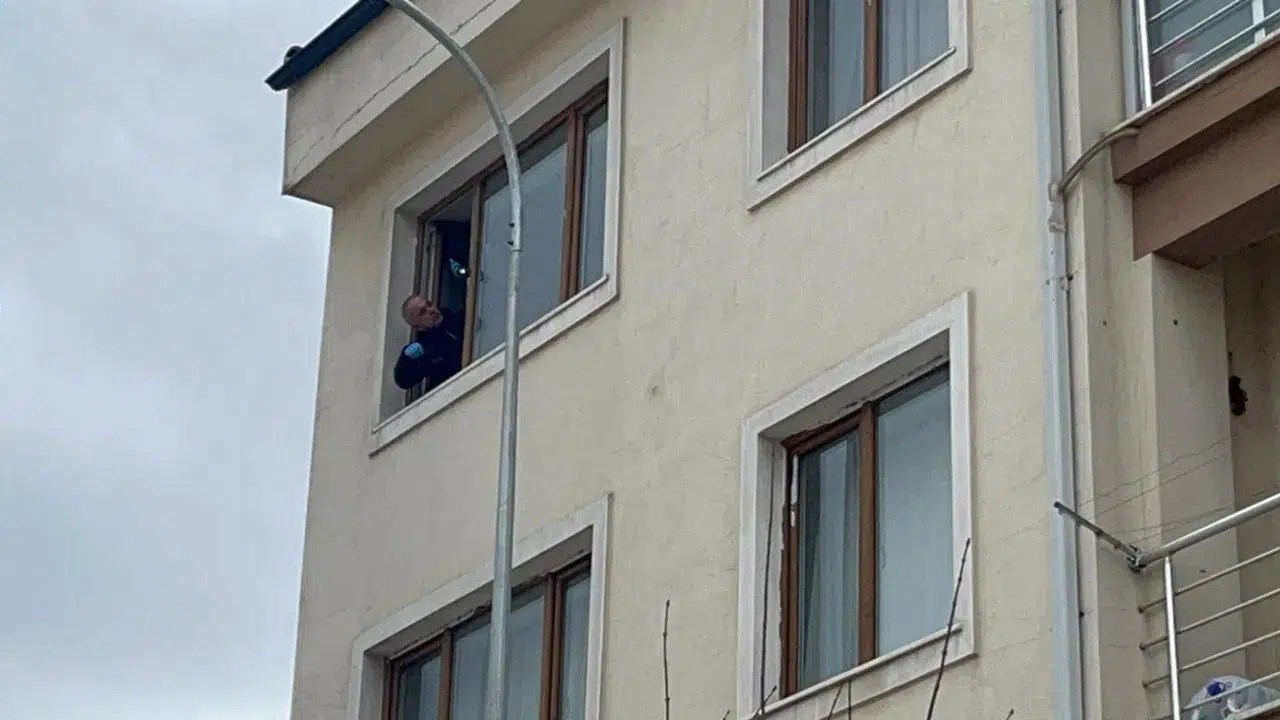
Eskişehir’de 3 katlı apartmanın en üst katındaki dairenin camından düşen 12 yaşındaki çocuk ağır yaralandı. Hastaneye kaldırılan çocuğun tedavisi sürerken, ailesi acil servis önünde gözyaşı döktü.

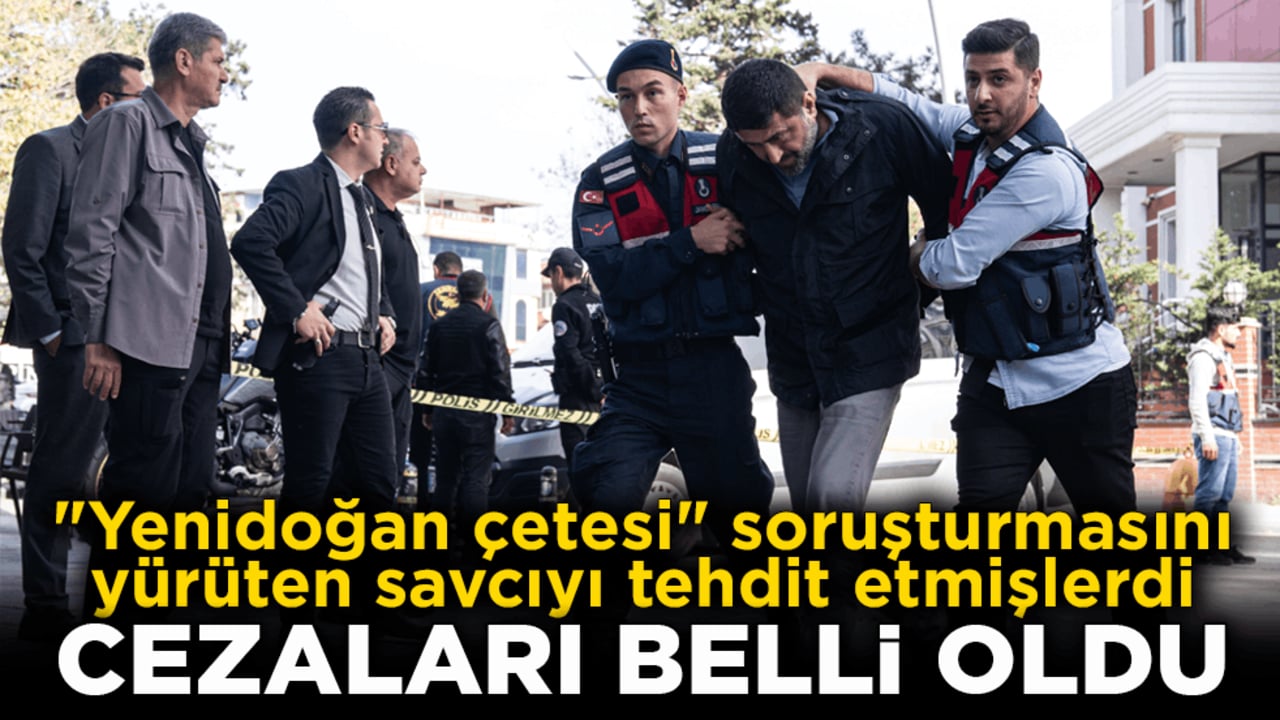
Geçen yıldan buyana gündemden düşmeyen “Yenidoğan çetesi” soruşturmasıyla ilgili yeni gelişme yaşandı. Soruşturmayı yürüttüğü sırada cumhuriyet savcısı Yavuz Engin'in tehdit edilmesine ilişkin 1'i tutuklu 13 sanığın yargılandığı davada 2 sanığa ceza verildi.

Türkiye'nin yüreğini yakan 'Yenidoğan Çetesi' soruşturmasının savcısı Yavuz Engin’i makamında ölümle tehdit eden Mustafa Kemal Zengin, hakim karşısına çıktı. Mahkeme, görüntüleri hafızalara kazınan Zengin'e iki ayrı suçtan toplam 5 yıl 6 ay hapis cezası verdi. Savcıyı koruduğunu iddia eden Aylin Arslantatar'a ise 1 yıl 8 ay hapis cezası verilerek hükmün açıklanması geri bırakıldı. Davadaki diğer 11 sanık ise beraat etti.
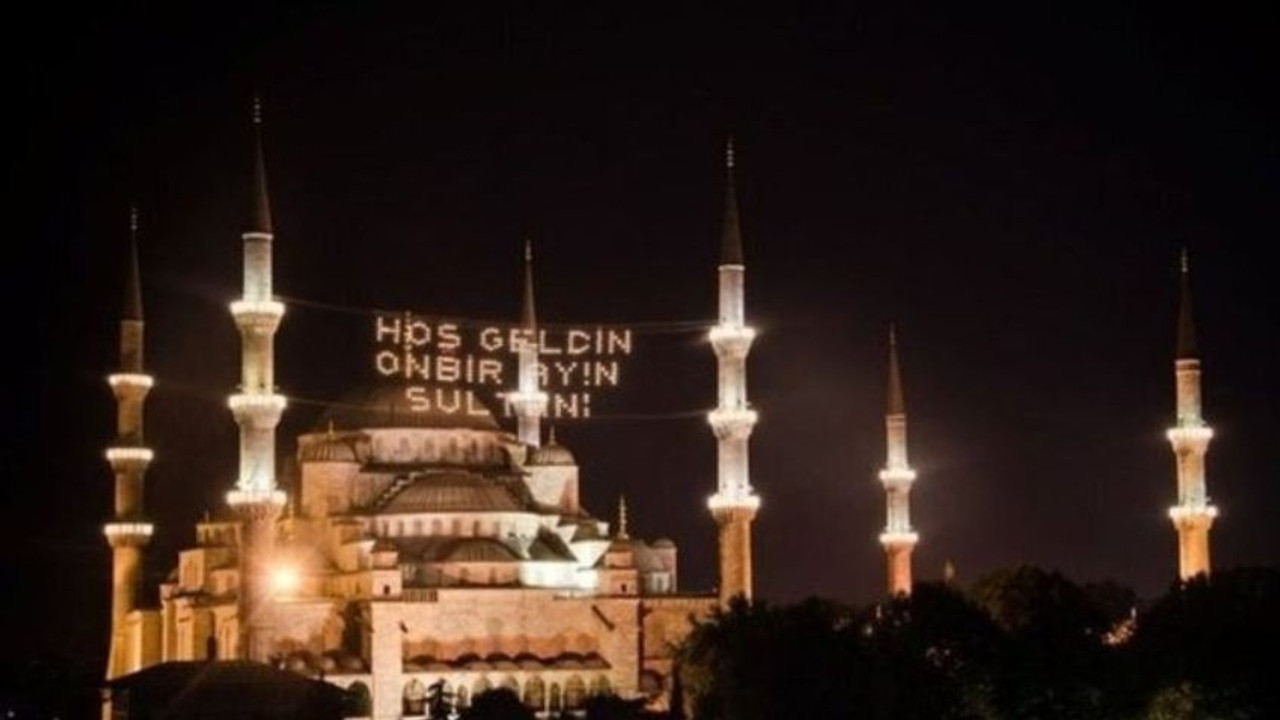
Ramazan ayı ve oruç için geri sayım başladı. 2026 Ramazan ayı gelip çatmışken tüm vatandaşlar "Ramazan kaç gün sürecek?" ve "Bu sene kaç saat oruç tutulacak?" sorularının yanıtını merak ediyor. Oruç tutarak ibadetlerini coşkuyla yerine getirmek isteyen tüm müslümanlar Ramazan ayının başlamasını heyecanla bekliyor. Peki, oruç ne zaman başlıyor 2026? Ramazan hangi gün, ne zaman başlıyor? Sahura bu gece mi kalkılacak, yarın gece mi? İşte Ramazan başlangıç ve bitiş tarihi.

Otonom araçların giderek daha görünür hale gelmesiyle birlikte, mevcut kırmızı–sarı–yeşil sistemine dördüncü bir renk eklenmesi öneriliyor.
 İstiklal Gazetesi
  Super Haber
  Bianet
  Haber Kıbrıs
  tv100
tv100  Euronews Türkçe
  Milliyet
  Türkiye Gazetesi
  İşçi Haber
  Yeni Akit Gazetesi
  MEDYARADAR
  Mavi Marmara Gazetesi