NOTIZIE ATTUALITÀ Haberleri | Collector

 Corriere della Sera
Mps, ribaltone al vertice: Lovaglio resta senza deleghe e viene sospeso anche da direttore generale

 Foot Mercato
Italie : la drôle de comparaison de Calafiori avec sa mère et Gattuso

 Il Fatto Quotidiano
Perché le comunità energetiche rinnovabili promosse dal terzo settore sono una valida alternativa contro il rialzo dei prezzi

 RaiNews
Influenza aviaria, identificato caso in Lombardia: è il primo umano in Europa

Corriere della Sera
L'aggressione del 13enne all'insegnante: l'agguato in diretta su Telegram, l'esplosivo a casa. Poi il pianto a dirotto in presidenza
 Corriere dello Sport
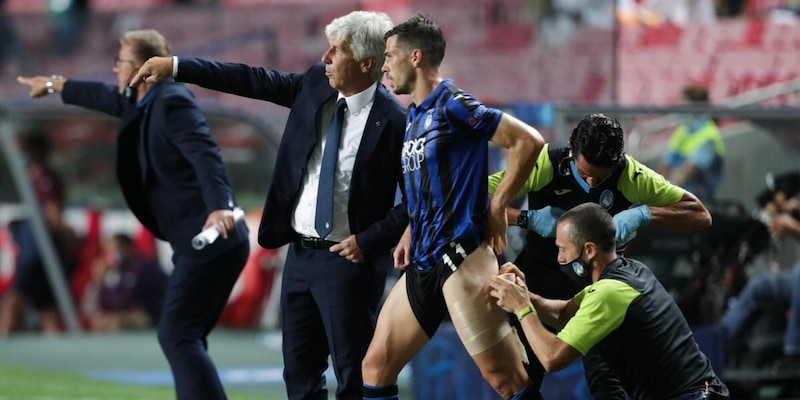
Gasperini chiama Freuler, questione di feeling: l’idea della Roma per l’estate

Corriere dello Sport
Roma, nessuno è incedibile: da Koné a Svilar, addio a un big a giugno. La lista di chi può partire

Corriere della Sera
Lecco, il sindaco: la moschea riconosciuta nel Pgt. Insorge la Lega

 Quotidiano Libero
Italia-Irlanda del Nord, il ct O'Neill ci umilia: "Non ci sono più..."
Corriere dello Sport
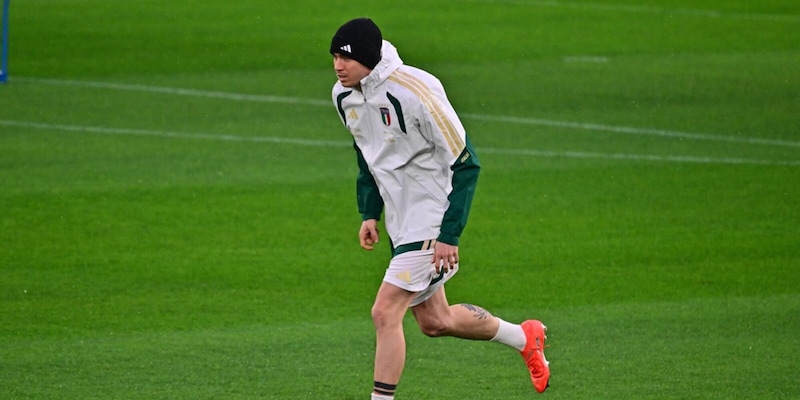
Gattuso, è il giorno delle scelte: Bastoni non si tira indietro. La possibile formazione dell’Italia
 Fanpage
Pioggia, grandine e vento forte: il risveglio di oggi a Roma. Neve anche a bassa quota e mareggiate

 L'Unione Sarda
Il Billionaire di Porto Cervo, il Twiga, "Welcome to meraviglia": la vita all'assalto di Santanchè
 La Gazzetta dello Sport
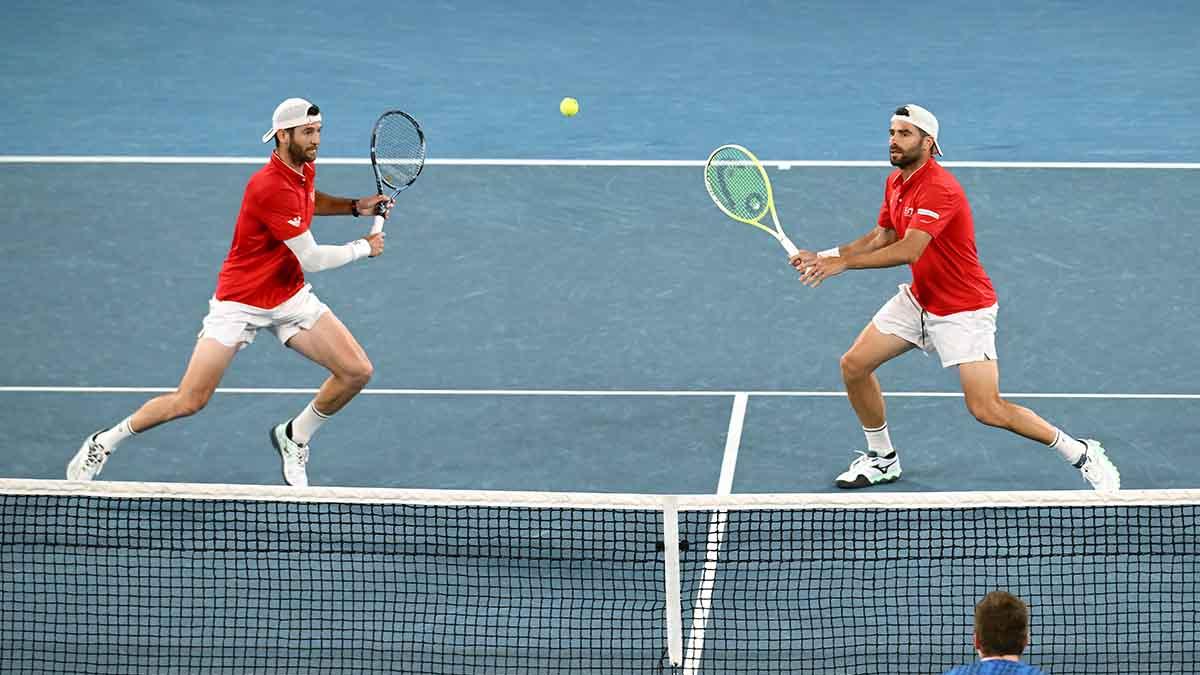
Miami, Bolelli e Vavassori in semifinale nel doppio. È la terza in un Masters 1000

RaiNews
Il supermarket online della droga: tonnellate di stupefacenti consegnate a domicilio dai corrieri

 Linkiesta
Come auspicato da Meloni, Santanchè si è dimessa (non senza forzare la mano)
 CalcioNapoli24
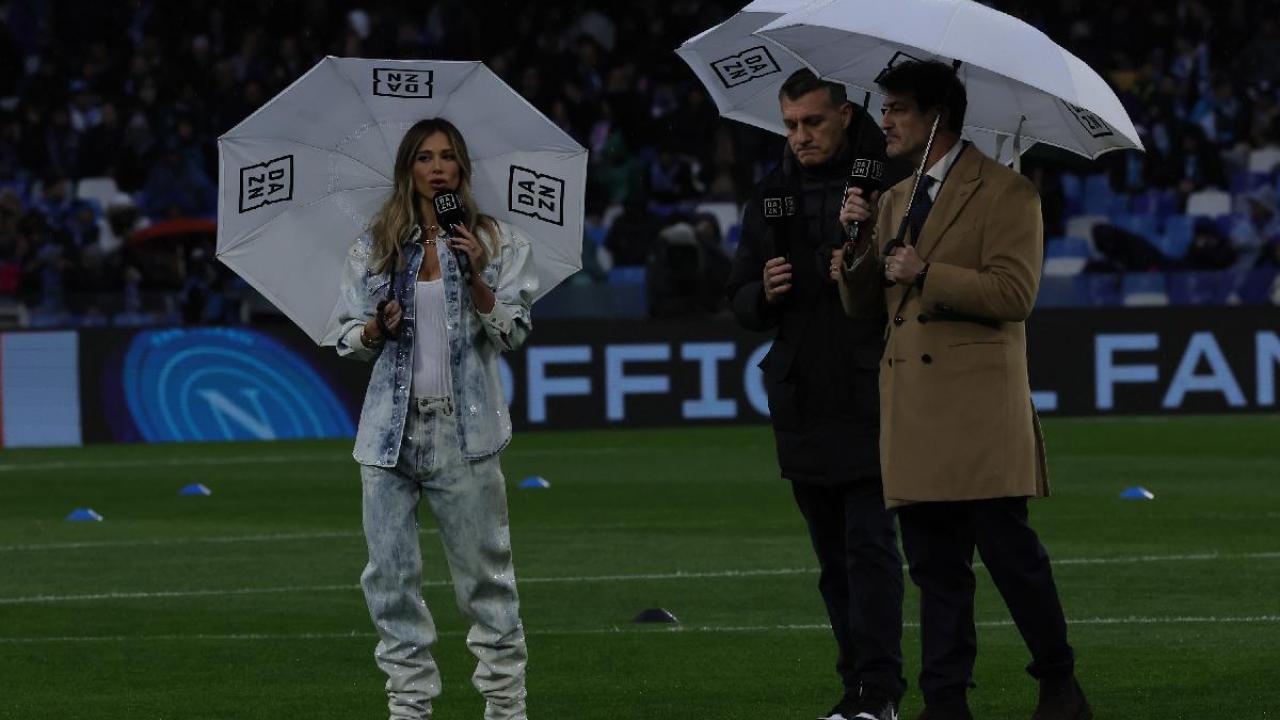
Vieri punta sul Napoli: "Vedo bene la squadra di Conte! Sta recuperando tutti gli infortunati, lotterà per il titolo fino alla fine"

 LiveSicilia
Strage di Monreale: insulti, minacce e sputi al legale di uno degli imputati
Corriere dello Sport
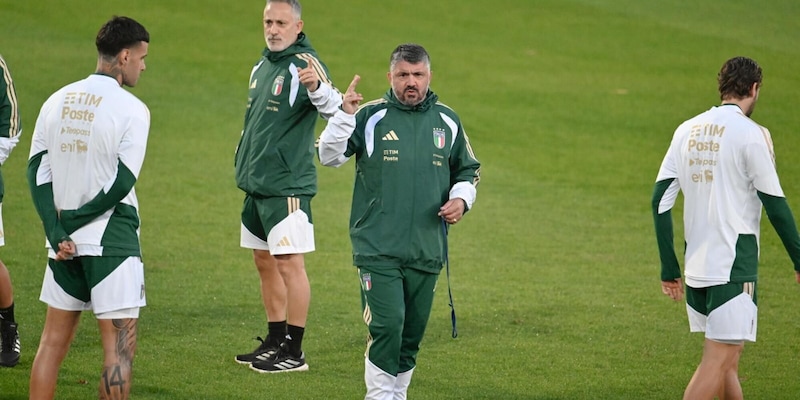
Italia, affezionati alle difficoltà

Le prime pagine dei quotidiani di oggi 26 marzo: la rassegna stampa

Italia, a Bergamo con lo scudo del Colleoni: azzurri, stanotte, bisogna

Chi governa davvero l’Iran oggi?

Tonnellate di stupefacenti vendute online, operazione Suburra nelle Marche: 12 misure cautelari

Pd, lo stop di Schlein ai «federatori»: il leader sia espressione dei partiti

Francesca Versace: «Io e mio marito Santo aiutiamo i padri detenuti. Medici e preghiere mi hanno salvata dai disturbi alimentari»
La chat per gli ordini, i corrieri, e il negozio on line per la droga

Le Stelle di Branko, ecco le previsioni di giovedì 26 marzo

Dove vedere Italia-Irlanda del Nord per le qualificazioni del Mondiale 2026

Crans, la fotografa ai pm: «Jessica mi disse di filmare lo show con le candele. Ho visto le prime fiamme, nessuno si è mosso subito»

Maltempo Emilia-Romagna, neve fino in pianura. Alberi caduti per il vento. “Attenzione alla bora”

Cortisolo, da «nemico» ad alleato di mente e corpo: cosa mangiare per tenere a bada l'ormone dello stress


 Sky tg24
 Internazionale
 Adnkronos
 IL TEMPO
 Repubblica